

BEIJING — Researchers from the National University of Defense Technology published a paper on July 9 detailing pulsed-power systems for high-power microwave weapons capable of reaching 100 gigawatts of output through combined modules.
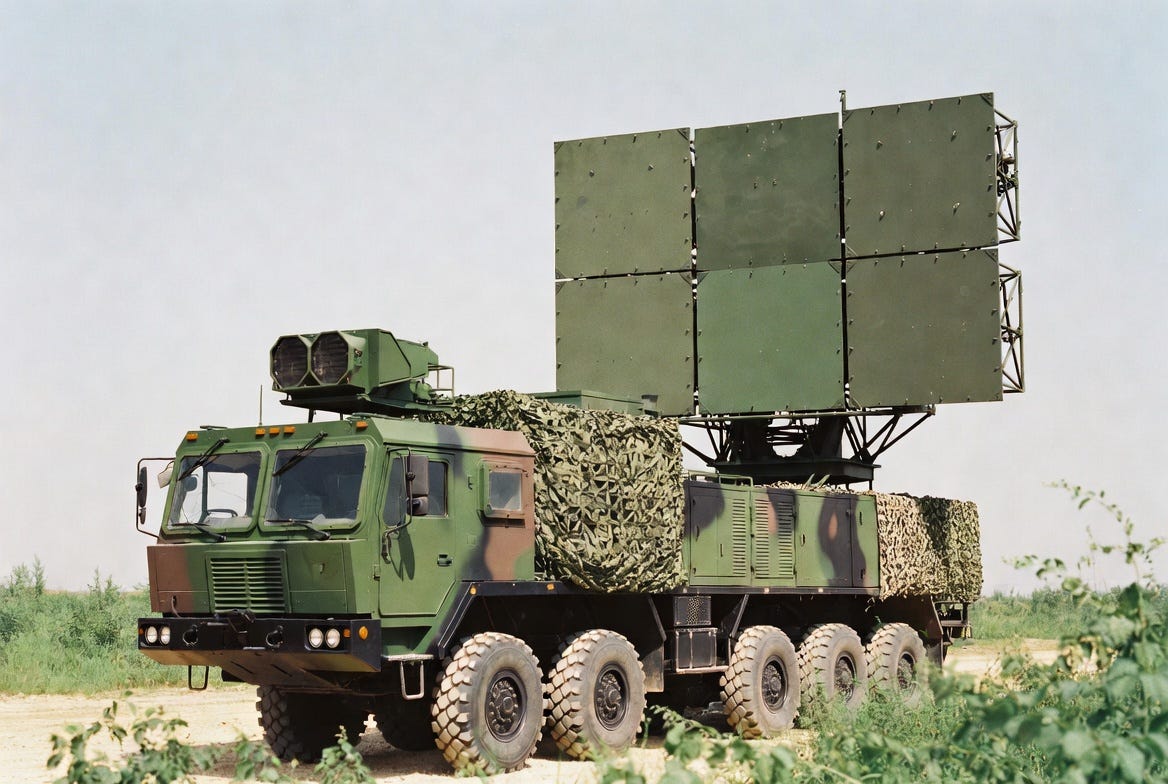


Details of the paper were noted on July 9. Russian state-affiliated media amplified the disclosure hours later with claims framing the technology as a potential counter to Starlink satellite networks, drones, and communications systems at extremely low cost per strike and described the tech as battlefield-ready.
The paper, published in the journal High Power Laser and Particle Beams, describes advancements in pulsed-power drivers that have moved from laboratory prototypes to practical applications.
It states that some gigawatt-class systems have already been delivered to users. Earlier February reporting on the 20-gigawatt compact driver described similar concepts for ground-based systems that could disrupt or damage satellite electronics without creating orbital debris.
Feasibility of Using High-Power Microwave Systems Against Satellites
The July 2026 paper notes that pulses at or above 1 gigawatt can cause severe interference or hardware damage to satellites in low Earth orbit and suggests the work could inform assessments of vulnerabilities in large satellite constellations.
However, the paper does not describe any testing, integration, or deployment of a complete high-power microwave weapon system against orbital targets.
Several technical factors limit the near-term feasibility of using systems based on this research against satellites. Ground-based high-power microwave systems require a direct line of sight to the target.
Low Earth orbit satellites move at high speed relative to the ground, creating only brief windows for engagement. Atmospheric absorption and scattering further reduce effective power delivery, particularly at certain frequencies and under varying weather conditions.
Precise beam steering and sustained energy concentration at orbital ranges also remain significant engineering challenges.
The research focuses primarily on generating and scaling pulsed power rather than on the full weapon system requirements for space applications, such as rapid re-targeting, thermal management, and platform mobility.
No public information indicates that these integration and propagation issues have been resolved for the power levels discussed in the paper.
As a result, while the research identifies satellite interference as a potential area of interest, available evidence does not support the conclusion that current or near-term high-power microwave systems developed from this work can reliably engage or disrupt satellites in orbit.
