

MIDDLE EAST — On February 28, the United States and Israel conducted joint airstrikes on Iranian targets, killing Supreme Leader Ayatollah Seyyed Ali Khamenei. The Embassy of the Islamic Republic of Iran in Pakistan confirmed his death.


Iranian state media also acknowledged the death, declaring 40 days of national mourning and seven public holidays. The strikes targeted nuclear facilities, military sites, and leadership compounds, with US officials framing the operation as dismantling Iran’s nuclear program.
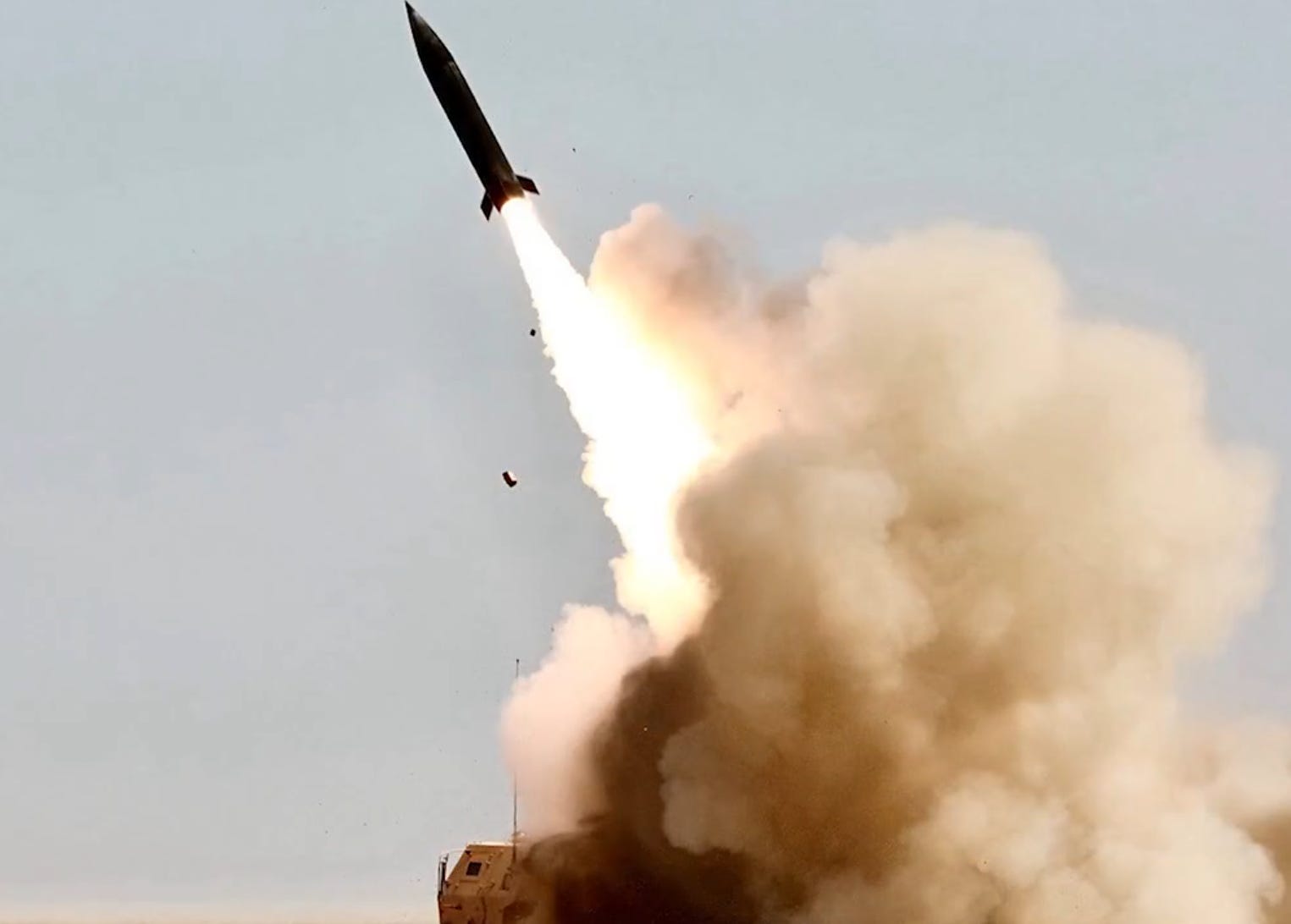
Iran retaliated with Operation True Promise 4, launching missiles and drones at US military bases in Bahrain, Qatar, the UAE, Kuwait, and Jordan, as well as Israeli targets.
Explosions occurred in Dubai, Doha, and Tel Aviv, with Iranian forces claiming destruction of key infrastructure and heavy casualties. The attacks disrupted oil shipments and air traffic, injuring civilians in Israel and escalating tensions.
Protests erupted in Tehran and other cities, with celebrations reported in cities including Karaj, reflecting divisions within the population as anti-government protests that began in late December 2025 continued.
The escalation follows heightened conflicts, including Houthi attacks on shipping and Iran’s uranium enrichment activities. US intelligence assessed no active nuclear weapon development, but President Donald Trump cited threats to American interests.
Regional leaders condemned the strikes, while Israeli Prime Minister Benjamin Netanyahu issued a direct appeal in Persian to Iranian citizens — addressing Persians, Kurds, Azeris, Ahwazis, and Baluchis by name — to take to the streets and overthrow the regime.
