

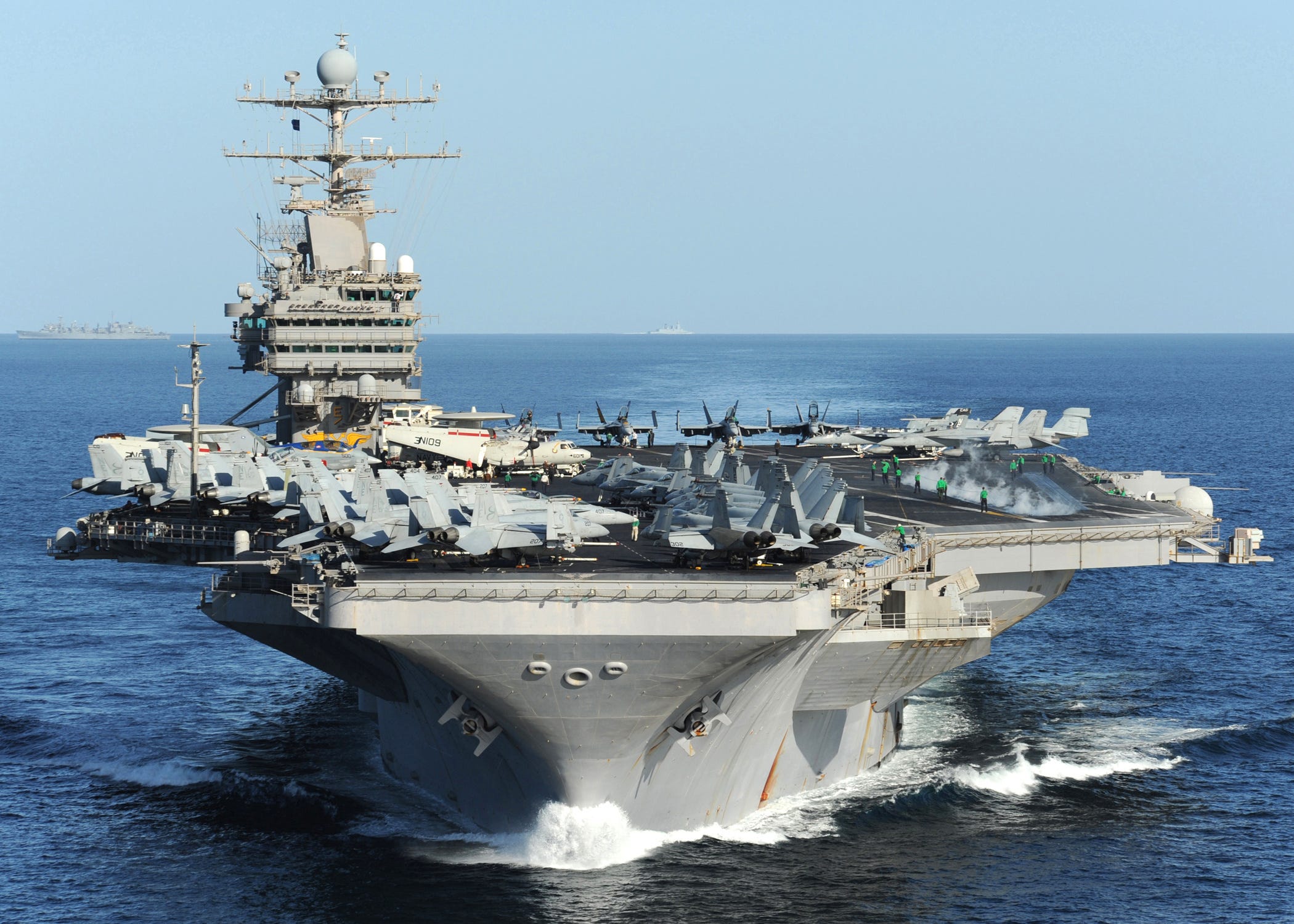
MIDDLE EAST — The Pentagon ordered the USS Abraham Lincoln Carrier Strike Group to the Middle East on January 15, amid escalating tensions with Iran, as Israeli Prime Minister Benjamin Netanyahu addressed parliament on January 19, warning that Israel would respond with unprecedented force if Iran launched an attack while noting uncertainty in Iran’s future but asserting it would not return to its previous state.


He highlighted a disagreement with the United States over Gaza’s management committee, firmly stating no Turkish or Qatari troops would participate. Iranian state-run media reported these comments, interpreting them as aggressive amid ongoing tensions.
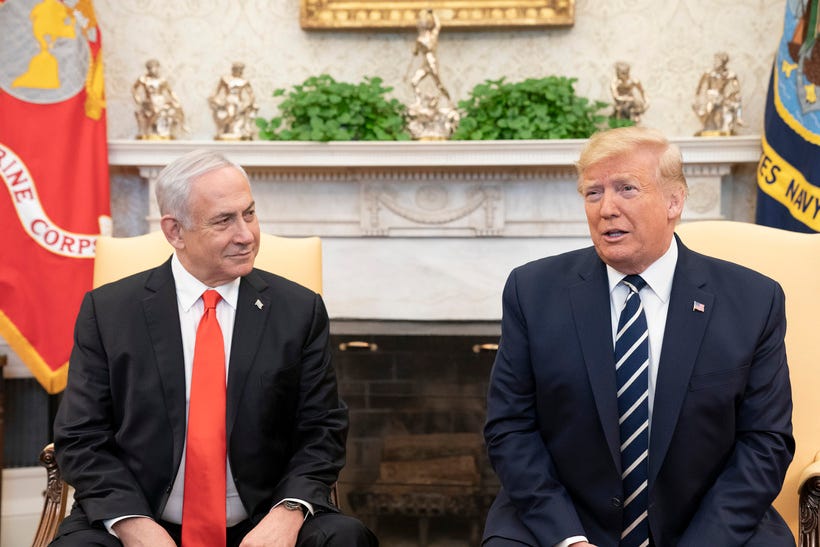
This follows Netanyahu’s call to US President Donald Trump to delay any strike on Iran, citing Israel’s unreadiness for retaliation without sufficient US support.
Assessments indicate Trump’s administration is considering options but has hesitated, with regional allies urging caution to avoid escalation. The carrier group, transiting from the South China Sea, is expected to arrive in the Persian Gulf within a week to enhance deterrence.
Netanyahu’s statements reflect Israel’s defensive posture, emphasizing deterrence without initiating conflict. The prime minister’s office confirmed the remarks, aligning with prior warnings.
This comes amid Iran’s internal protests, where Netanyahu praised demonstrators’ bravery but avoided direct involvement to prevent Iranian military unification against external threats. Gulf states have lobbied against US action, fearing spillover.
The Gaza disagreement stems from US proposals for international forces in reconstruction, which Netanyahu rejects for security reasons. Israeli officials prioritize control to mitigate risks from perceived hostile entities.
This highlights alliance strains in post-conflict planning. US Secretary of State Marco Rubio has pushed for regional partnerships, contrasting Israel’s stance.
US Perspective
US officials have not directly responded to Netanyahu’s January 19 remarks as of yet. Prior communications emphasize shared security interests but reveal differences on Gaza.
President Trump, after discussions with Netanyahu, delayed potential Iran strikes per Israeli requests for preparation time. Administration sources indicate no immediate military plans, focusing on monitoring Iran’s unrest.
Trump’s team views Qatari mediation as useful in past deals, differing from Israel’s position. Sanctions on Iranian officials continue, signaling pressure without intervention. Assessments suggest hesitation stems from risks to regional assets.
Israeli Perspective
Netanyahu stated that Israel would respond with unprecedented force if Iran attacked, as he addressed the Knesset. He emphasized a disagreement with the US on Gaza management, asserting no Turkish or Qatari troops would be involved.
Israeli officials maintain high alert, preparing for Iranian retaliation scenarios. The Gaza stance reflects concerns over external influences. Defense Minister Israel Katz has echoed calls for strong responses to aggression.
Iranian Perspective
Iranian state-run media highlighted Netanyahu’s warnings, portraying them as provocative. Foreign Minister Abbas Araghchi previously affirmed readiness for war but preference for talks. No immediate response to the specific remarks, but parliament has threatened strikes on Israeli and US targets if attacked.
Tehran accuses Israel of inciting protests, linking to foreign aggression. Officials maintain defensive posture, warning of severe consequences for any strike.
