

CAPE CANAVERAL — NASA’s Artemis II crew of four departed Earth orbit on April 2 following a successful trans-lunar injection burn, beginning a transit to the Moon that will culminate in a figure-eight flyby of the far side of the Moon before the spacecraft returns to Earth.
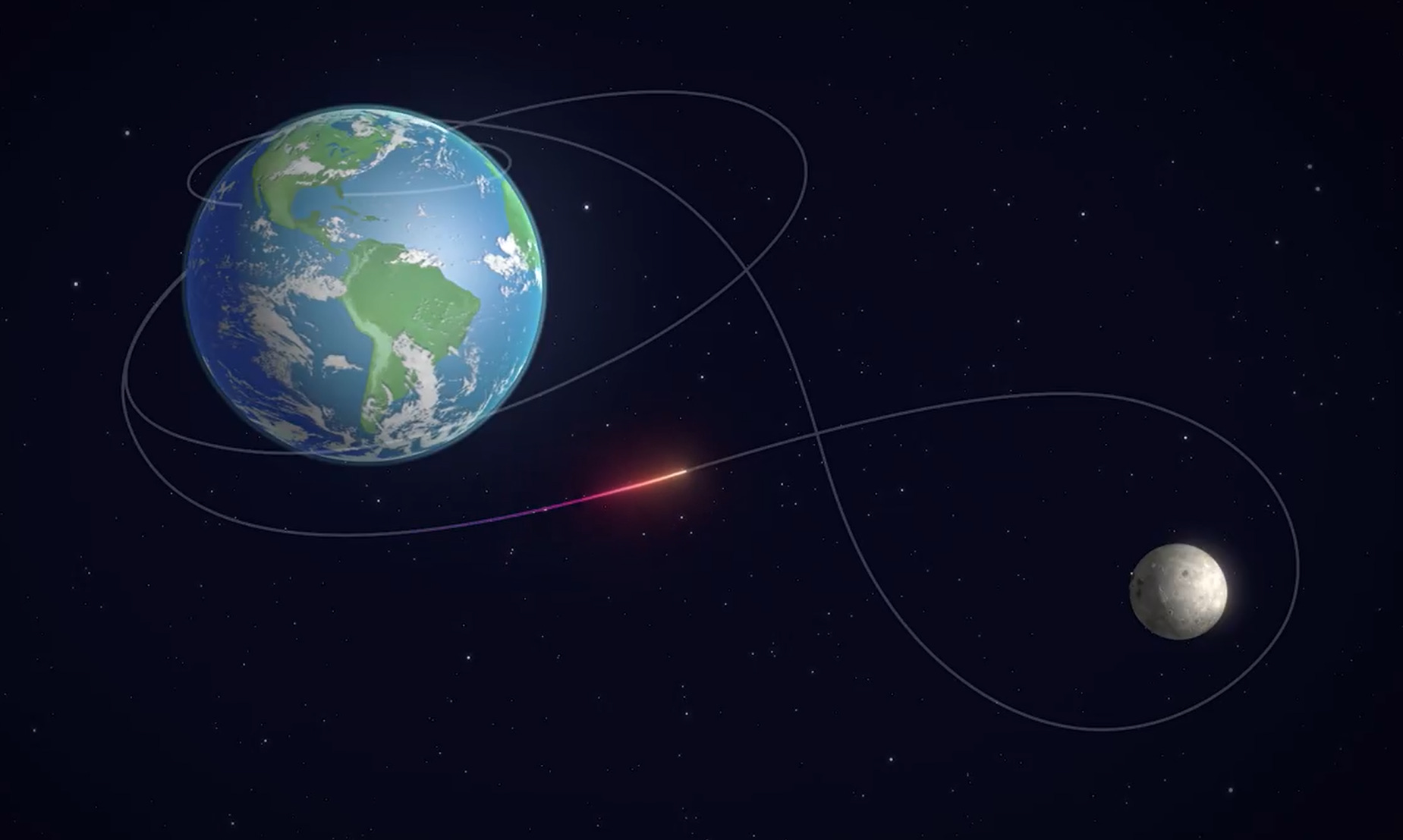


The mission launched April 1 at 6:35 p.m. Eastern Daylight Time (EDT) from Launch Complex 39B at Kennedy Space Center aboard the Space Launch System (SLS) rocket and Orion capsule, marking the first crewed mission beyond low Earth orbit since Apollo 17 in December 1972.
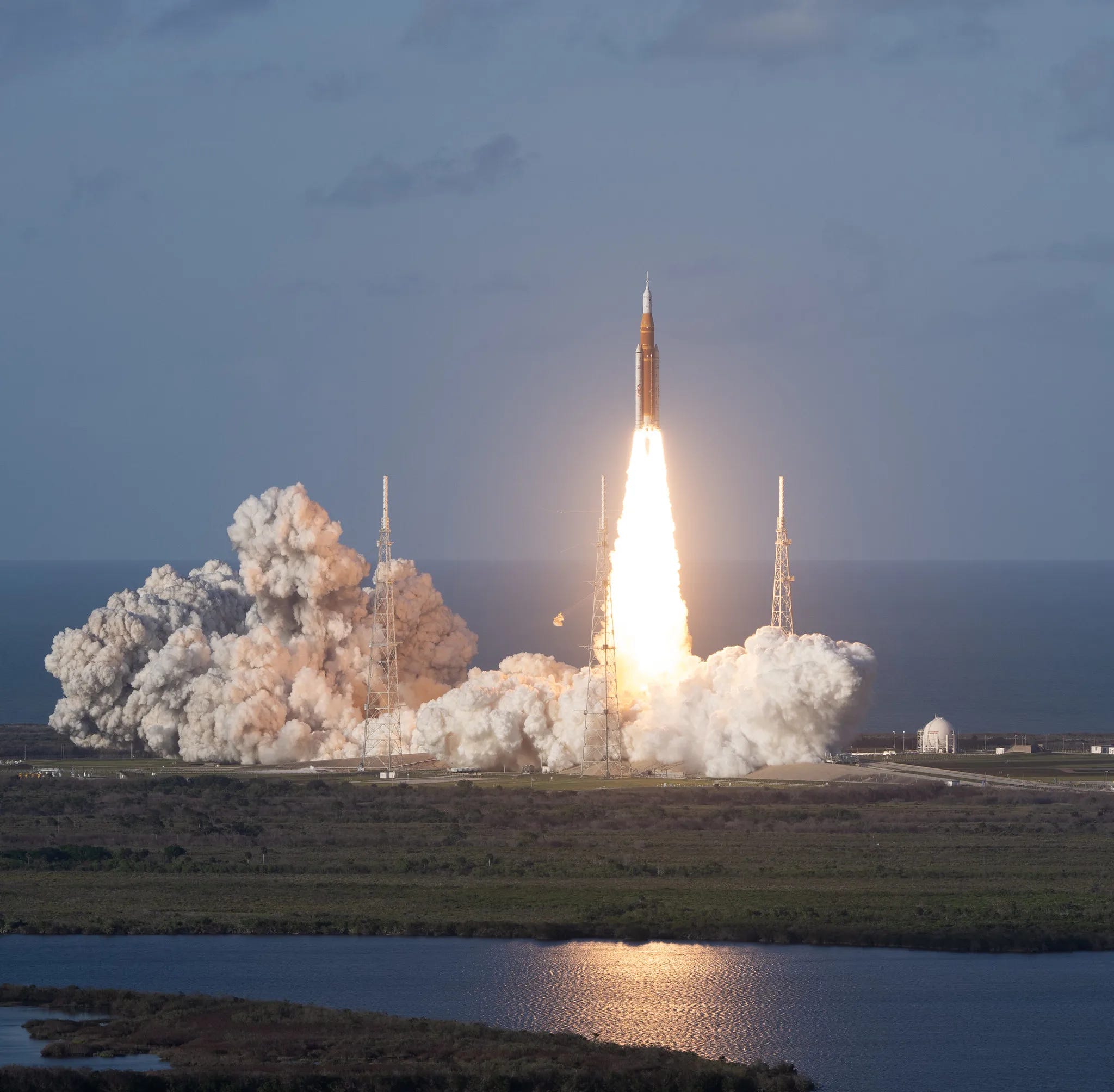
The 10-day mission will carry the crew to approximately 280,000 miles (450,000 km) from Earth, surpassing Apollo 13’s record of 248,655 miles (400,171 km) as the farthest human spaceflight in history, according to NASA.
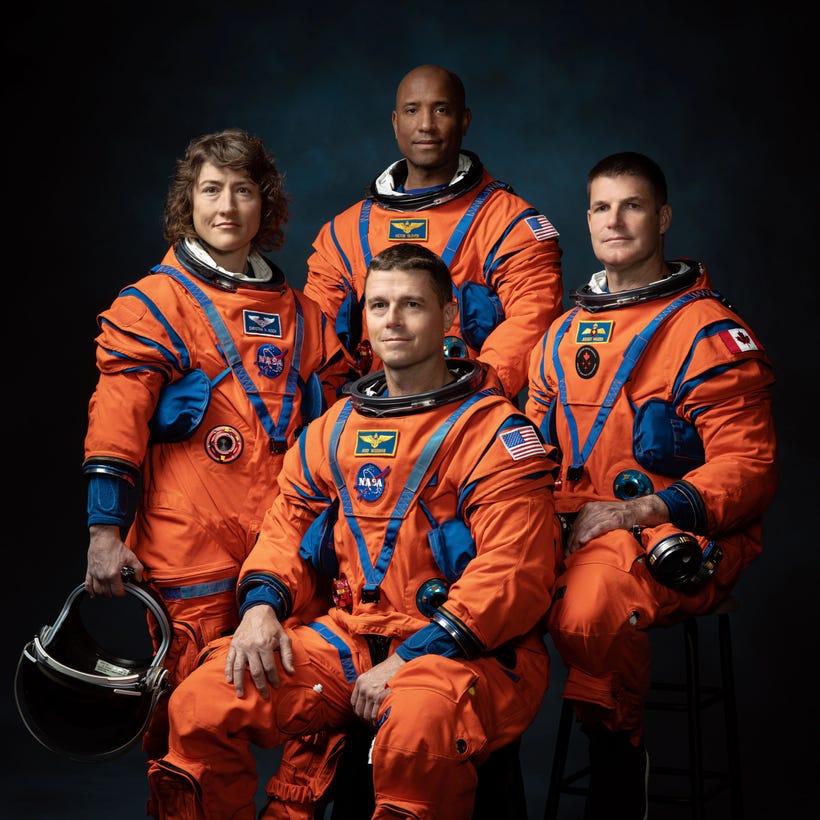
The crew consists of Commander Reid Wiseman, Pilot Victor Glover, and Mission Specialists Christina Koch and Jeremy Hansen of the Canadian Space Agency (CSA).
The mission is proceeding nominally as of April 2 flight updates published by NASA. All four solar array wings deployed successfully after launch and proximity operations (controlled maneuvering near another object in space) between the Orion and SLS upper stage were completed as planned.
Mission control polled the crew and Houston teams “go” for the trans-lunar injection burn (the engine firing that sends the spacecraft from Earth orbit toward the Moon) on April 2 at 7:49 p.m. EDT, following completion of the perigee raise burn, a 43-second engine maneuver that raised the spacecraft’s lowest orbital altitude, NASA stated.
Mission Objectives: What Artemis II Is Designed to Prove
Artemis II is not a lunar landing, and the crew will not touch the Moon’s surface. The mission’s purpose is to verify that the Orion capsule can safely carry a human crew to the Moon and return them to Earth, providing the data NASA needs to decide whether Artemis III, the actual crewed landing mission targeted for 2027, can proceed.
The 10-day flight profile tests Orion’s systems under conditions that cannot be replicated in Earth orbit or on the ground. Specific objectives include measuring radiation exposure the crew receives during deep-space transit beyond the protection of Earth’s magnetic field, and verifying that life support systems (oxygen, carbon dioxide removal, temperature, and water) perform at lunar distances where resupply or quick return is not possible.
