

SOUTHEAST ASIA — Artillery exchanges and Thai airstrikes persisted through December 10, marking the third consecutive day of hostilities along the Thai-Cambodian border and threatening the October ceasefire agreement reached at the Kuala Lumpur ASEAN summit.
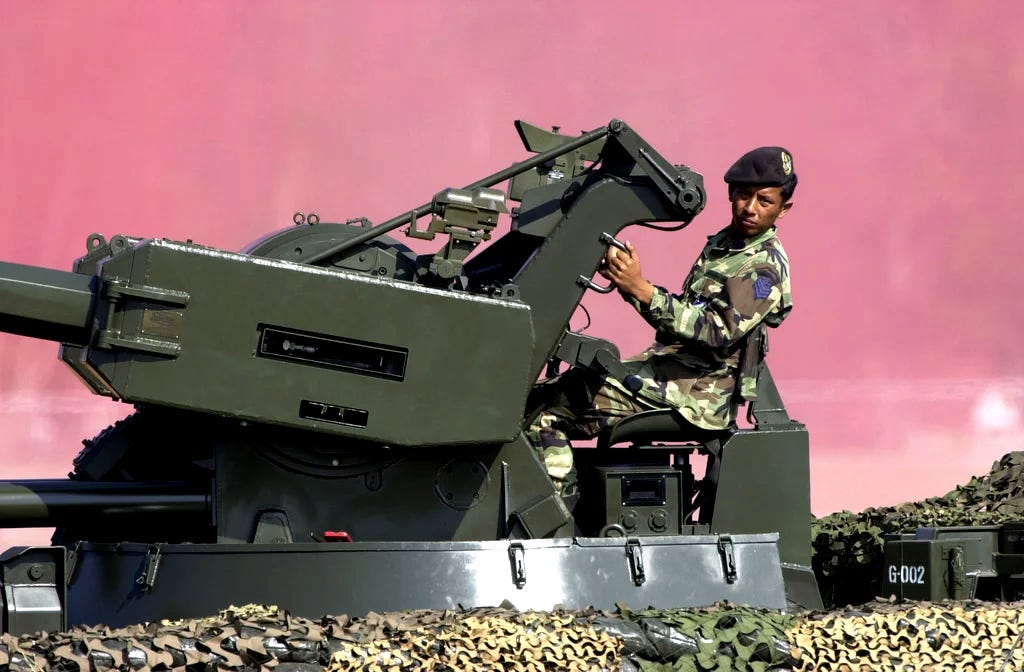


According to the Thai Ministry of Foreign Affairs, Cambodian artillery targeted Thai positions in Sisaket Province on December 7, prompting ground responses that evolved into F-16 strikes on Cambodian facilities in Oddar Meanchey Province by December 8, with further engagements in Preah Vihear Province on December 9.
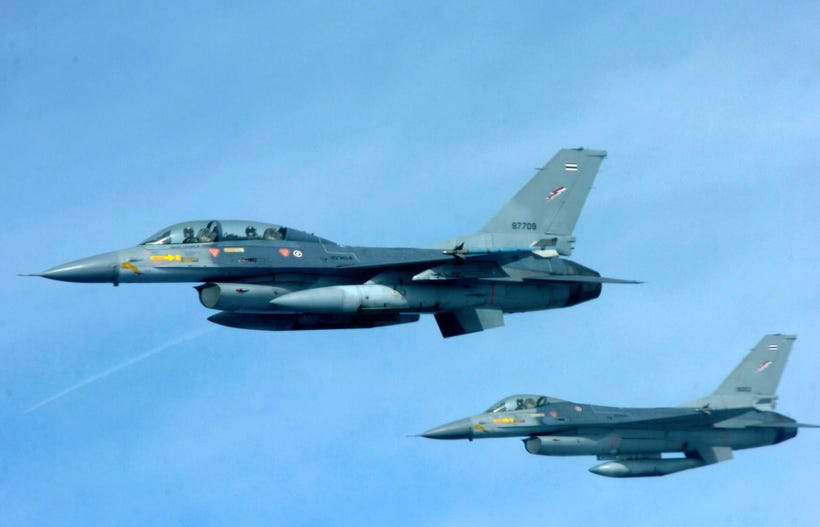
The Cambodian Defense Ministry documented seven civilian fatalities and 20 injuries from the airstrikes, as reported by that ministry. Thai Army assessments confirmed three soldier deaths in the counter-operations, according to official Thai military logs.
Over 60,000 individuals have been displaced from border areas, including more than 50,000 from Thai districts such as Surin, according to U.S. Department of State estimates.
Temporary shelters in these regions are approaching capacity limits, straining local resources. The dispute centers on 4.6 square kilometers near the Preah Vihear temple, as established by the 1962 International Court of Justice ruling.
Representatives from the U.S. Department of State have called for an immediate halt to hostilities, aligning with United Nations appeals for renewed negotiations to address the longstanding conflict.
These events surpass the July clashes in duration and weapons use, based on Amnesty International evaluations. Projections indicate that disruptions to cross-border trade could result in daily economic losses of approximately $50 million, inferred from historical trade volumes disrupted by similar incidents.
Such impacts exacerbate pressures on local livelihoods already strained by the ongoing situation. International observers note the potential for broader regional instability if unchecked. Diplomatic channels emphasize the need for de-escalation to mitigate humanitarian fallout.
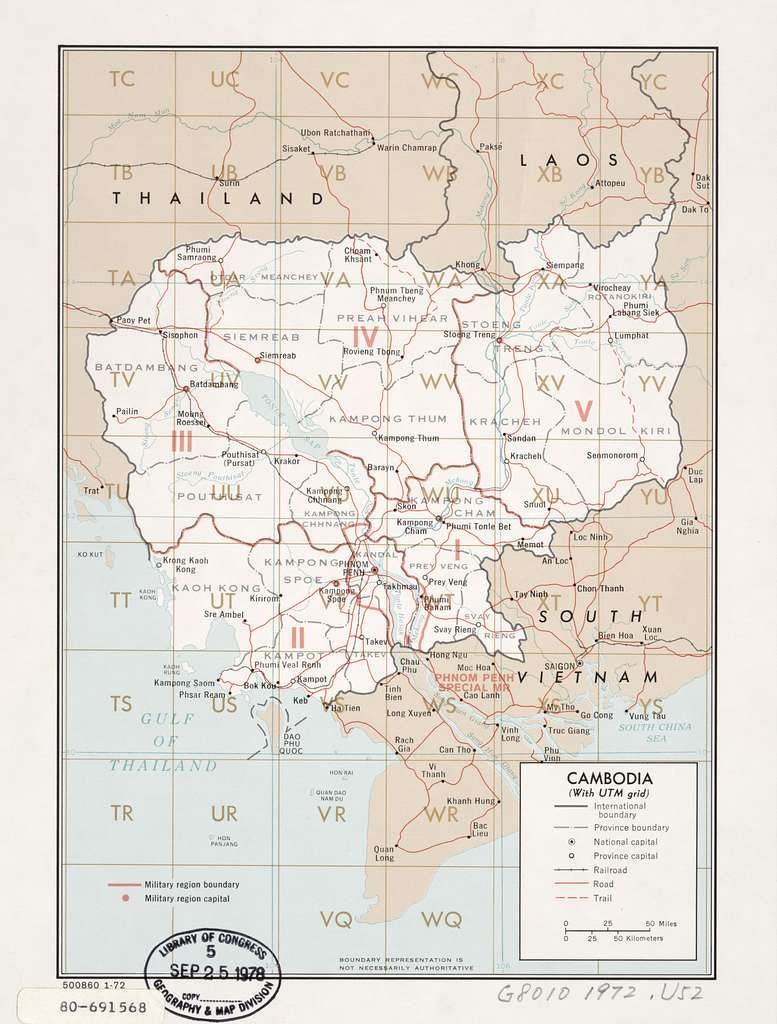
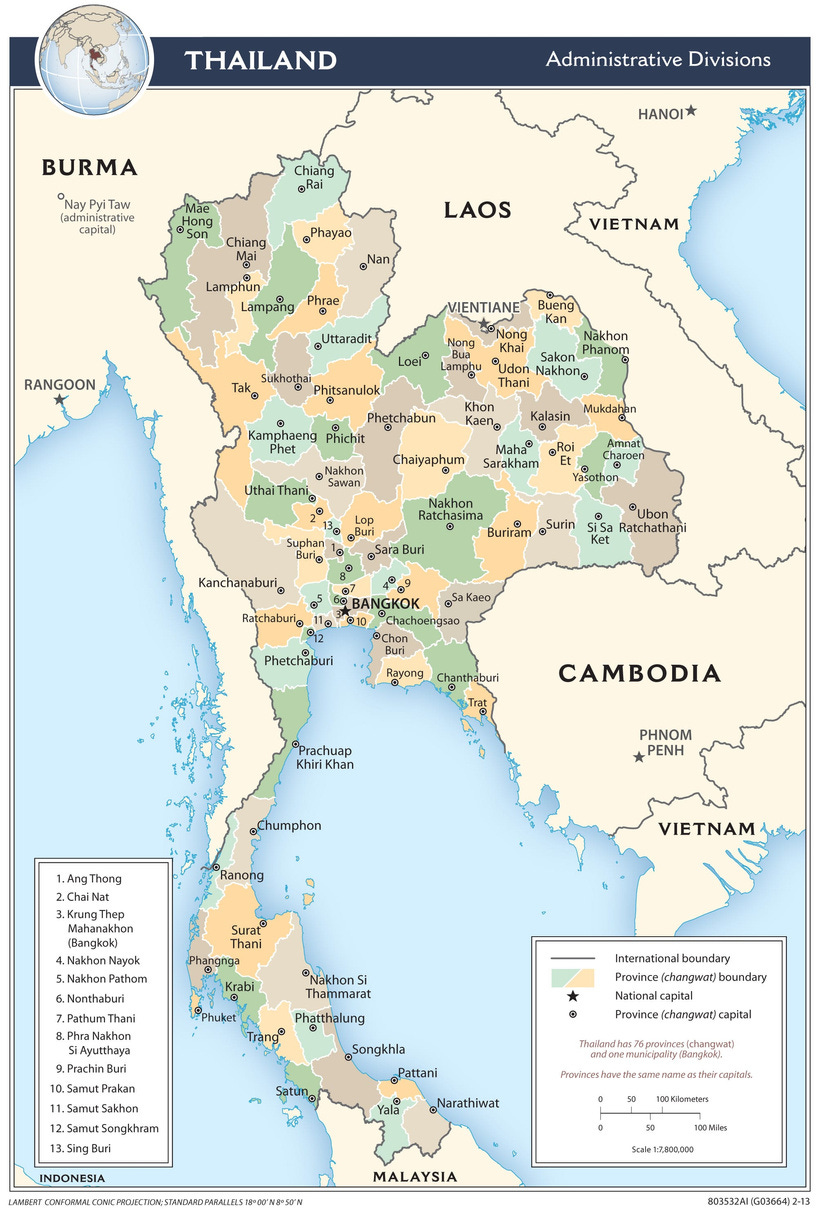
Military operations have affected six Thai provinces—Surin, Sisaket, Buriram, Ubon Ratchathani, Sa Kaeo, and Trat—along with five Cambodian provinces: Oddar Meanchey, Preah Vihear, Siem Reap, Banteay Meanchey, and Battambang. Focus areas include routes in the Dangrek Mountains, where terrain restricts large-scale maneuvers.
Prime Minister Anutin Charnvirakul has granted the Thai Army authority to maintain territorial integrity. Cambodian President Hun Sen has directed reinforcements while committing to measures preventing further incursions.
