

MIDDLE EAST — U.S. President Donald Trump and Iranian President Masoud Pezeshkian signed a 14-point memorandum of understanding on June 17.


The agreement declares an immediate and permanent end to military operations on all fronts, including Lebanon. It begins removal of the U.S. naval blockade on Iranian ports within 30 days.
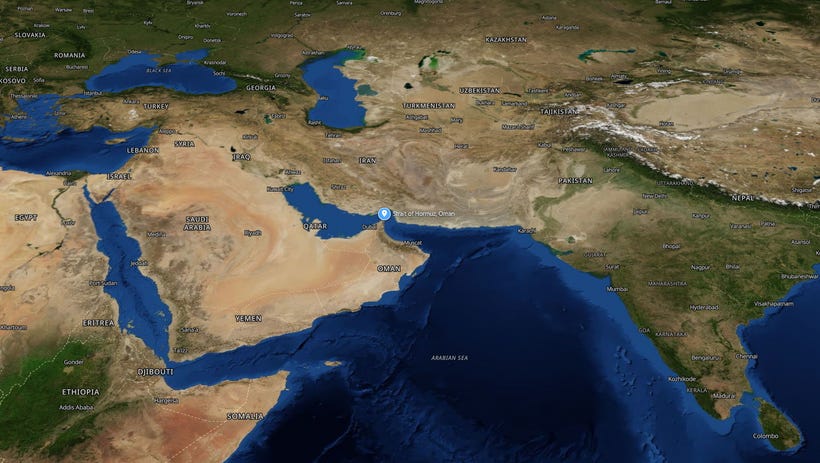
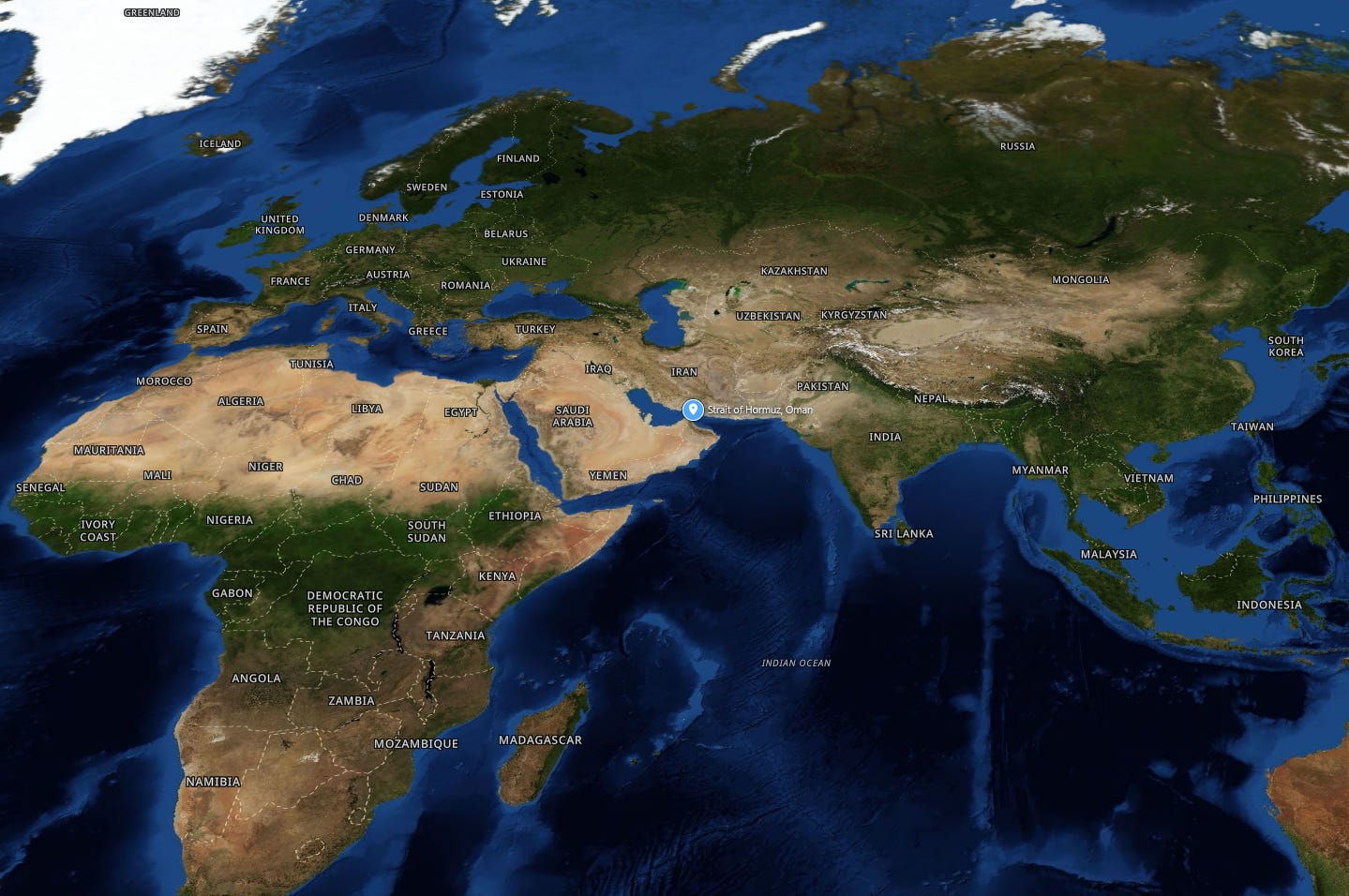
Iran commits to best-effort safe commercial passage through the Strait of Hormuz for 60 days with no charge. The MOU provides for U.S. waivers on Iranian oil exports and access to frozen assets.
It outlines a $300 billion reconstruction plan with regional partners. The agreement maintains the nuclear status quo pending final talks.
It launches exclusive negotiations toward a final deal within a maximum 60 days, extendable by mutual consent, to be endorsed by a binding UN Security Council resolution.
The MOU was read out by a senior U.S. official on a conference call and released in full text. Iranian state media published detailed statements framing the agreement from Tehran’s perspective.
Those statements emphasize complete distrust toward an unreliable adversary, strict monitoring, conditional acceptance tied to protection of Iranian national rights and the Resistance Front, and that any breach by the US will trigger a reciprocal response in accordance with a pre-established plan.
Iranian Supreme Leader approval was granted in a written statement noting initial disagreement but ultimate acceptance to protect national interests.
Full Text of the Islamabad Memorandum of Understanding
The United States of America and the Islamic Republic of Iran have jointly agreed in good faith on the following:
The United States of America and the Islamic Republic of Iran and their allies in the current war, by signing this MOU, declare the immediate and permanent termination of military operations on all fronts, including in Lebanon, and undertake from now on not to initiate any war or any military operation against each other, and to refrain from the threat or use of force against each other and ensuring the territorial integrity and sovereignty of Lebanon. The final deal will confirm the permanent termination of the war on all fronts, including in Lebanon, and other provisions of this paragraph.
The United States of America and the Islamic Republic of Iran undertake to respect each other’s sovereignty and territorial integrity and to refrain from interfering in each other’s internal affairs.
The United States of America and the Islamic Republic of Iran commit to negotiating and achieving the final deal in a maximum of 60 days, extendable with mutual consent.
The United States begins immediate removal of its naval blockade and impediments against Iran and will fully end the blockade within 30 days. Vessel traffic will be restored proportionally to pre-war levels. The United States undertakes to remove its forces from proximity of Iran within 30 days after the final deal.
Iran will use its best efforts for safe commercial vessel passage from the Persian Gulf to the Sea of Oman and vice versa with no charge for 60 days. Traffic starts immediately. De-mining and obstacle removal will occur within 30 days. Iran will conduct dialog with Oman and other littoral states on future administration and maritime services in line with international law and sovereign rights of coastal states.
The United States, with regional partners, will develop a definitive, mutually agreed plan of at least $300 billion for Iran’s reconstruction and economic development. The implementation mechanism will be finalized in the final deal within 60 days. All required licenses and waivers will be granted.
The United States undertakes to terminate all sanctions, including United Nations Security Council resolutions, IAEA Board of Governors resolutions, and unilateral U.S. primary and secondary sanctions, per an agreed schedule in the final deal. Both sides acknowledge the critical importance of sanctions termination and express intent to address it immediately in negotiations.
Iran reaffirms it shall not procure or develop nuclear weapons. The parties agree to resolve the disposition of stockpiled enriched material via a mutually agreed mechanism with minimum methodology of down-blending on site under IAEA supervision, per the sanctions termination schedule. They will discuss enrichment and other nuclear needs based on a satisfactory framework in the final deal. Both sides acknowledge the critical importance of nuclear issues and express intent to address them immediately in negotiations.
Pending the final deal, the parties agree to maintain the status quo. Iran will maintain the current status of its nuclear program. The United States will impose no new sanctions and deploy no additional forces in the region.
The U.S. Treasury will issue immediate waivers, until sanctions termination, for export of Iranian crude oil, petroleum products, derivatives, and all associated services including banking, insurance, and transportation.
The United States undertakes to make frozen or restricted Iranian funds and assets fully available for use upon MOU implementation. Procedures will be mutually agreed during negotiations. Funds will be usable for payments to beneficiaries designated by Iran’s Central Bank. The United States will issue all necessary licenses.
An executive mechanism will be established to monitor successful implementation of the MOU and future compliance with the final deal.
After signing and subject to beginning and continuing implementation of paragraphs 1, 4, 5, 10, and 11, the parties will start exclusive negotiations on the final deal for the remaining paragraphs.
The final deal will be endorsed by a binding United Nations Security Council resolution.
Assessment: The full text above constitutes the authoritative public record of the framework agreement released by U.S. officials on June 17. It establishes clear timelines for ceasefire implementation, blockade removal, Hormuz passage, sanctions relief, asset access, and a 60-day negotiation window for a final deal.
The text also codifies monitoring mechanisms and a requirement for UN Security Council endorsement of any final agreement. These provisions create measurable benchmarks for compliance tracking through July.
