

ARABIAN SEA — U.S. Central Command reported that forces have directed 38 vessels to turn around or return to Iranian ports under the ongoing blockade. This latest enforcement total comes amid active but stalled peace efforts.


On April 26, Iran offered through Pakistani mediators to reopen the Strait of Hormuz and end the war while postponing nuclear negotiations to a later stage. Iranian Foreign Minister Abbas Araghchi met Russian President Vladimir Putin in St. Petersburg on April 27 to discuss the situation.
U.S. President Donald Trump said on April 27 that Iran can initiate further talks by phone if it wishes. He stated that his national security team is actively discussing Iran’s latest proposal to reopen the Strait of Hormuz.
U.S. forces have maintained patrols and interdiction operations in the Arabian Sea and Gulf of Oman. The blockade targets vessels attempting to enter or depart Iranian ports and coastal areas. It does not impede freedom of navigation for vessels transiting the Strait of Hormuz to and from non-Iranian ports.
The Central Command assessed on April 27 that American forces continue to enforce the measures with multiple ships and helicopters deployed.
Iran has said that it will not send a negotiating team to Islamabad for further discussions until the U.S. blockade ends.
On April 26, Iranian officials conveyed “red lines” (including nuclear issues and the Strait of Hormuz) through Pakistani mediators. They proposed a phased approach: first reopen the Strait and end the conflict, then address nuclear matters later.
Iranian officials have described the blockade as a violation of the existing ceasefire. They have set preconditions for any agreement, including the lifting of maritime restrictions, a new legal government over the Strait of Hormuz, war compensation, and guarantees against future U.S. attacks.
Latest Enforcement and Regional Maritime Security
Official maritime summaries as of April 27 show sustained U.S. blockade-enforcement activity in the Gulf of Oman and Arabian Sea. No new verified incidents affected commercial shipping in the core blockade zone during this period.
The Joint Maritime Information Center (JMIC, a multi-national center that tracks threats to shipping in the Middle East) Update 037 covers March 1 to April 26. It states that merchant vessels continue to report a strong naval presence. Mariners are advised to maintain a prudent standoff distance from naval units.
UK Maritime Trade Operations (UKMTO, the United Kingdom’s official service that issues daily security updates for ships) daily summaries for April 23-26 report no incidents across the Arabian Gulf and Gulf of Oman.
The JMIC Update 037 states that traffic through the Strait of Hormuz via the Traffic Separation Scheme remains reduced. Most vessels now route north of the TSS.
No verified attacks on commercial vessels in the Strait have been reported in the last 72 hours. Reports of mines near the TSS persist and GNSS interference remains sporadic.
The command said on April 27 that American forces continue to enforce the measures with multiple ships and helicopters deployed. Recent examples include:
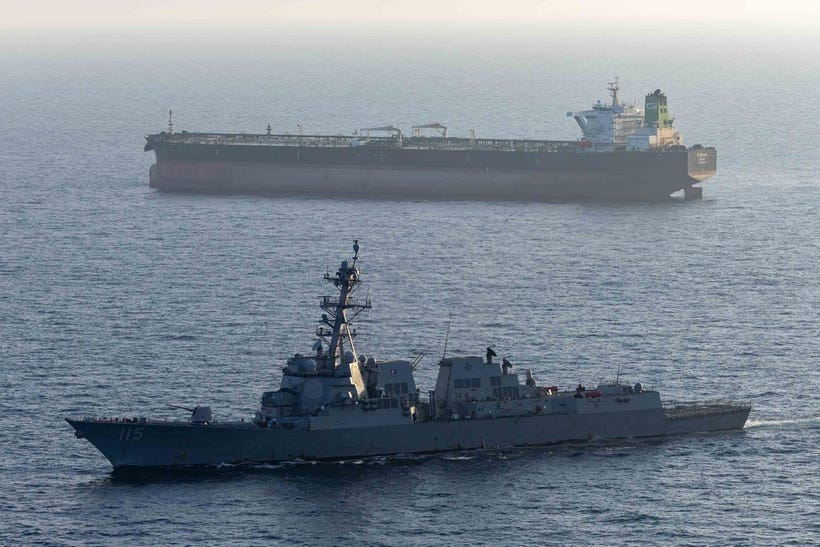
guided-missile destroyer USS Rafael Peralta (DDG 115) enforcing the blockade against tanker M/T Stream on April 26 after it attempted to sail to an Iranian port.
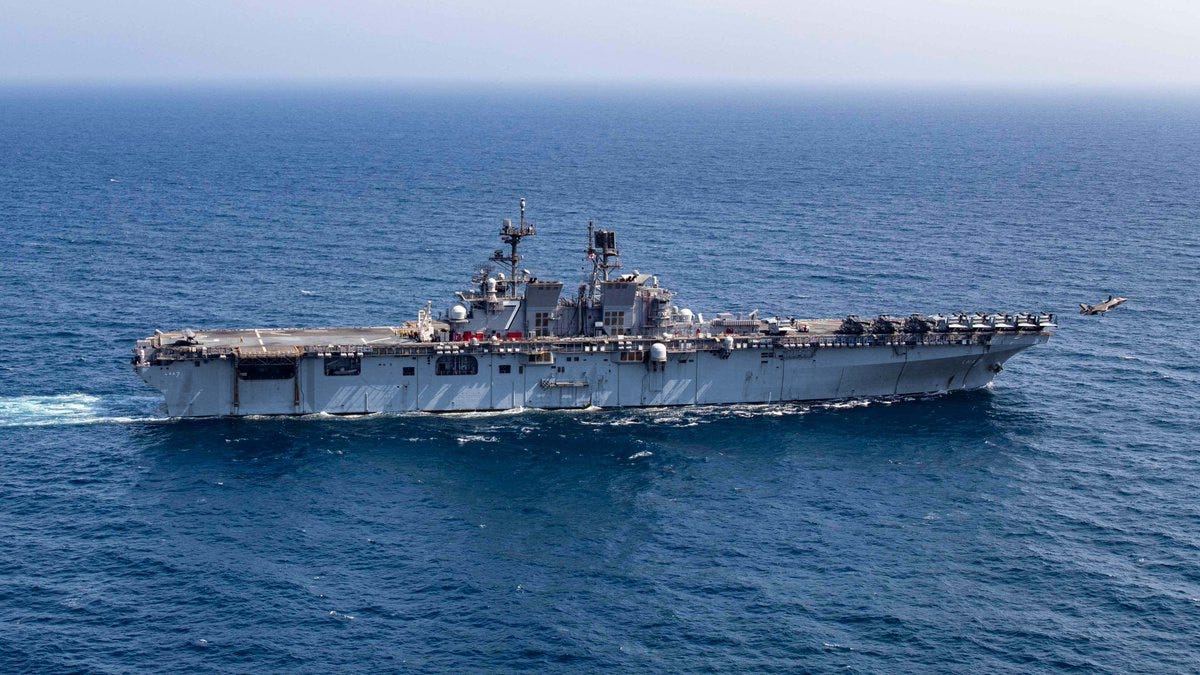
an F-35B Lightning II launch from amphibious assault ship USS Tripoli (LHA 7) on April 24 while sailing in the Arabian Sea.
Assessment: The combination of the JMIC Update 037 and UKMTO daily summaries through April 26 provides independent confirmation that the blockade has maintained effective control over commercial traffic attempting to reach Iranian ports.
No breaches or incidents were recorded in the Gulf of Oman and Arabian Gulf during the most recent reporting windows. The reduced Strait of Hormuz traffic said in JMIC Update 037 reflects the cumulative impact of enforcement.
The April 26 Iranian phased proposal and Araghchi’s April 27 meeting with Putin represent the most recent diplomatic signals. U.S. officials continue to require a comprehensive proposal addressing nuclear concerns before any adjustment to enforcement.
If JMIC and UKMTO continue to report no incidents in the primary zone through the end of April, the blockade will have operated for more than two weeks without a single verified commercial shipping incident in its core area.
