

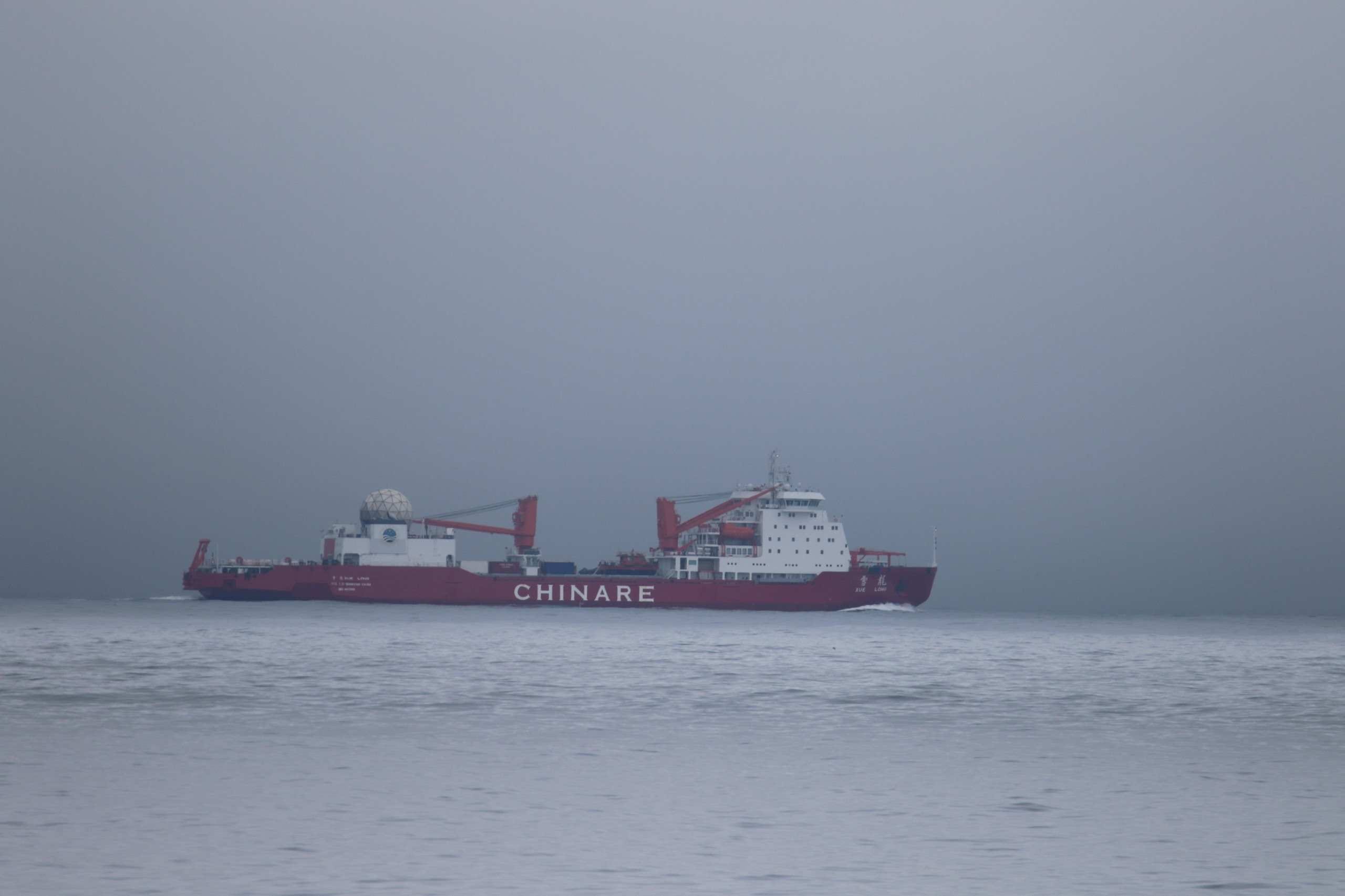
BERING SEA — The U.S. Coast Guard monitored the Chinese research ships Xue Long and Xue Long 2 as they transited north through the U.S. exclusive economic zone and over the U.S. extended continental shelf in the Bering Sea, marking the first Chinese vessels tracked in this area this year.


The Coast Guard cutter Munro executed Operation Frontier Sentinel to actively monitor the vessels during their northbound transit.
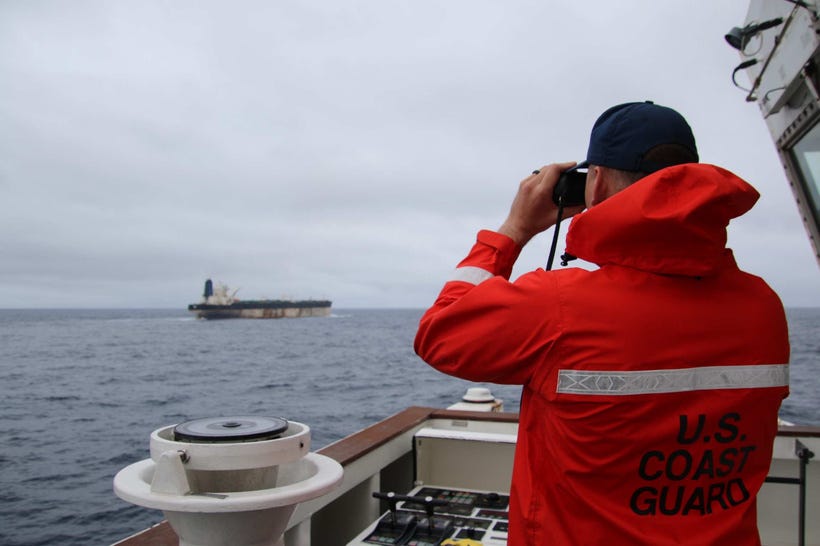
The operation protects American sovereign rights, ensures consistency with international law, and positions the service to rapidly respond to any detected malign activity.
Foreign vessels are permitted to operate within the U.S. exclusive economic zone and over the U.S. extended continental shelf, but the service remains vigilant to ensure their activities comply with established international laws.
Conducting marine scientific research within this area would require advance permission from the United States and subsequent sharing of the information collected.
In recent years, the Coast Guard has observed heightened activity in the U.S. Arctic and anticipates a continued and increased presence in the region this summer.
Rear Adm. Bob Little, U.S. Coast Guard Arctic District commander, stated that the service, alongside the Department of War, the Department of State, and international partners, is actively responding to competitor activities across an increasingly contested Arctic.
The Chinese vessels form part of China’s 16th Arctic Ocean scientific expedition, which departed Dalian on July 3.
The fleet includes Xue Long, Xue Long 2, and Jidi, with Tansuo-3 expected to join later. The expedition is scheduled to continue until early October and focuses on surveys of sea ice, hydrology, biology, ecology, and atmospheric conditions in key Arctic areas.
Previous Coast Guard responses to Chinese research vessels in the U.S. Arctic occurred in 2025, including monitoring of Xue Long 2 approximately 290 nautical miles north of Utqiagvik on dates in July of that year and responses to multiple vessels operating over the U.S. extended continental shelf on August 5, August 6, and later dates in August and September 2025 under the same Operation Frontier Sentinel framework.
Vessel Transit and Monitoring
The Chinese research ships Xue Long and Xue Long 2 transited the Arctic approaches, with Xue Long observed in the Bering Sea on July 12.
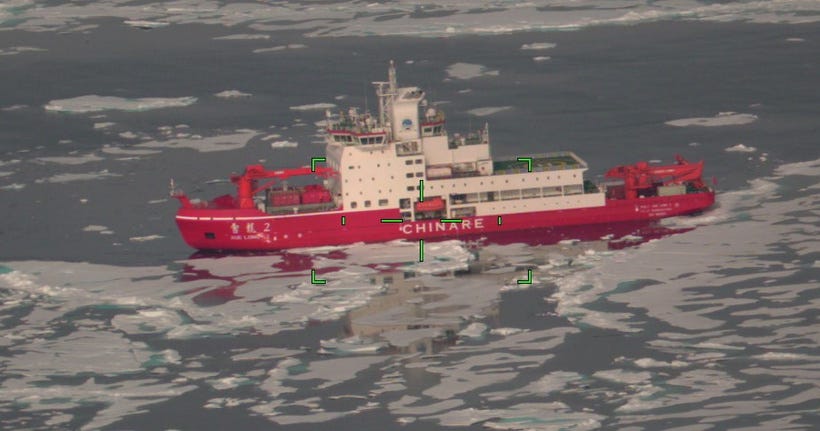
The July 17 U.S. Coast Guard Arctic District release did not report any observation of scientific research activity by either vessel within U.S. jurisdiction during the monitored transit.
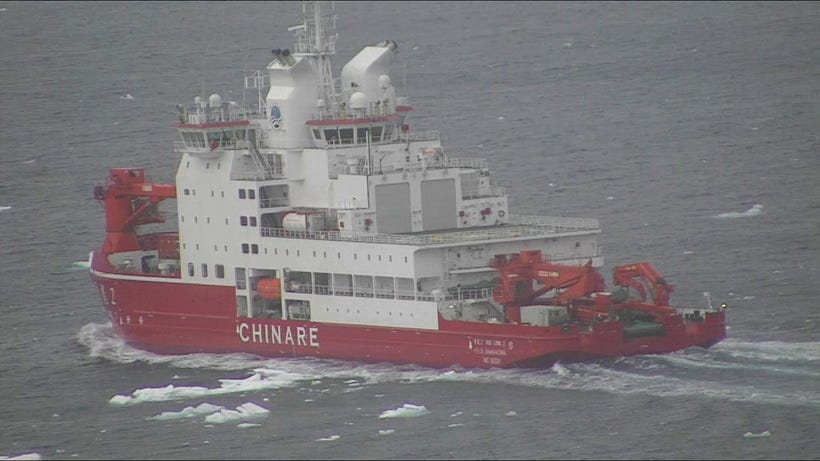
The Legend-class national security cutter Munro (WMSL 755) conducted the surface monitoring under Operation Frontier Sentinel, according to the Coast Guard Arctic District release issued from Juneau on July 17.
Under the United Nations Convention on the Law of the Sea framework applied by the United States, foreign vessels may exercise freedom of navigation through the exclusive economic zone.
Marine scientific research on the extended continental shelf requires coastal state consent. The service’s monitoring posture aligns with its role as the primary U.S. surface presence in the Arctic, operating in conjunction with U.S. Northern Command and Alaskan Command.
The official Coast Guard statement specified that foreign vessels are permitted to operate within the U.S. exclusive economic zone and over the U.S. extended continental shelf in accordance with international law, while conducting marine scientific research within the U.S. exclusive economic zone and/or on the U.S. extended continental shelf would require advance permission from the United States and subsequent sharing of information collected.
A U.S. Coast Guard photograph released with the July 17 statement shows Xue Long transiting north through the U.S. exclusive economic zone and over the U.S. extended continental shelf in the Bering Sea with a stated destination of the Arctic on July 12.
Assessment: Compared with the 2025 baseline of five Chinese research vessels monitored under the same operation, the 2026 transit of two vessels is the first recorded entry of the season and establishes a lower initial pace of surface presence by the Coast Guard cutter Munro. U.S. surface presence gains continuous awareness of the northbound transit without reported escalation.
The absence of any consent request leaves open the indicator of whether subsequent vessels from the 16th expedition will remain in transit or shift to research activity over the extended continental shelf.
