

MIDDLE EAST — US and Israeli forces conducted airstrikes on Iranian targets February 28, including leadership compounds in Tehran and military facilities across multiple cities. Israeli officials stated Supreme Leader Ayatollah Ali Khamenei was killed, with his body recovered, while Iranian Foreign Minister Abbas Araghchi denied the claim.
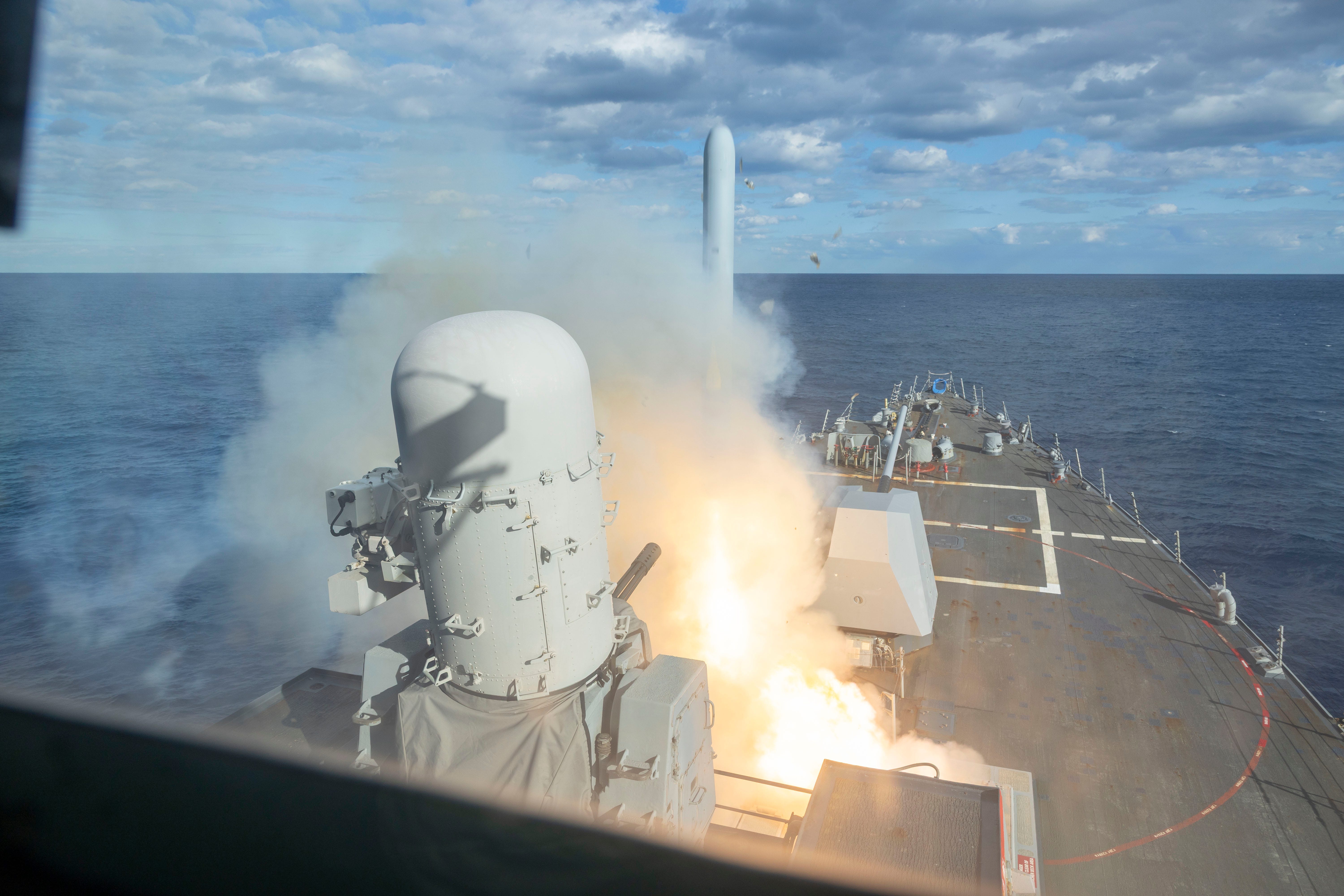


Iran responded with missile launches toward Israel and US bases in the Gulf region. Explosions occurred in Tehran near government structures, with satellite imagery from Planet Labs showing damage to associated buildings.
US President Donald Trump stated the action addressed security threats, without specifying targets. Iranian state media claimed hits on civilian areas, including schools. Seismic data from NORSAR and CTBTO independently verified the strikes occurred; no independent source has verified the leadership casualty claims.
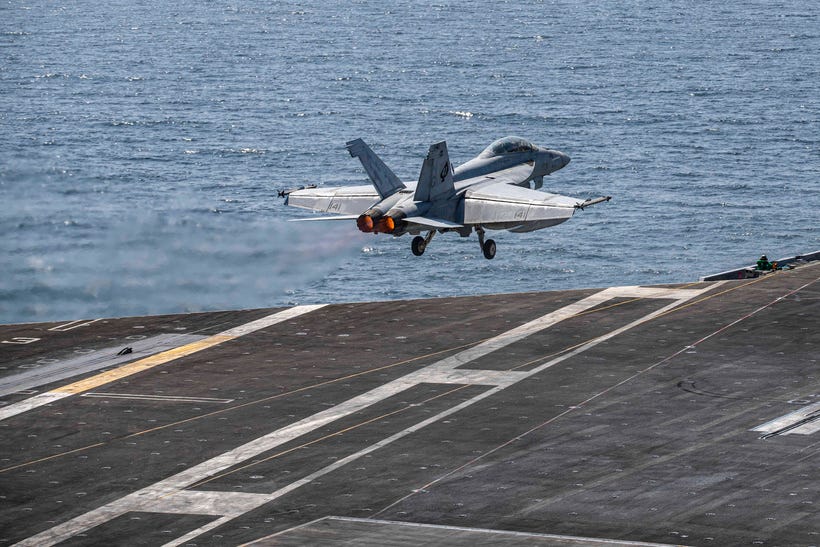
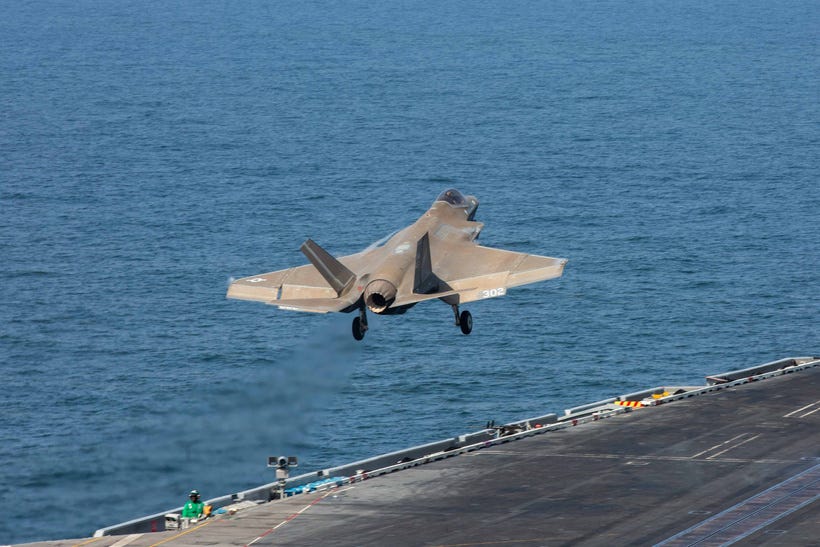
Protests occurred in some Iranian cities after the strikes. Regional allies condemned the attacks. International bodies urged de-escalation. UN Secretary-General António Guterres condemned the military escalation and called for an immediate cessation of hostilities.
Bahrain, Qatar, UAE, Kuwait, Saudi Arabia, and Jordan reported intercepting projectiles over their territories.
Airstrike Operations and Damage Reports
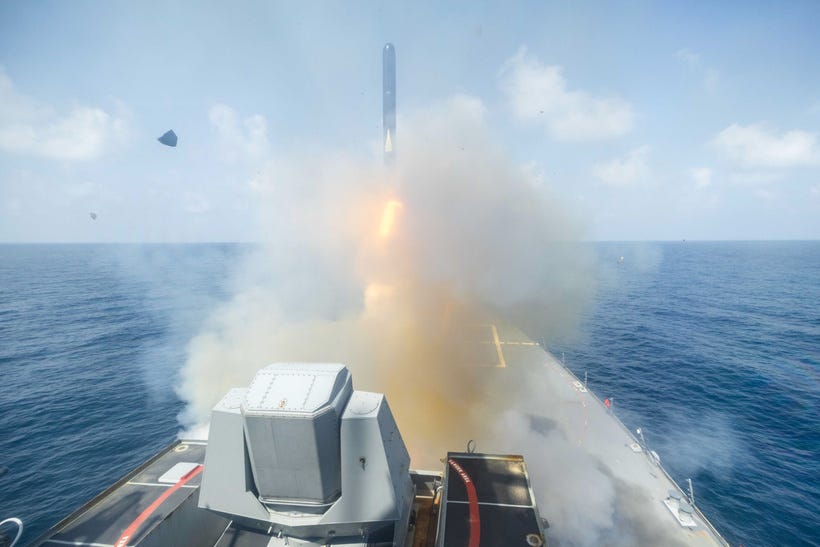
US and Israeli forces used fighter jets and Tomahawk cruise missiles, targeting air defense radars and missile production sites such as Khojir Complex and Parchin Military Complex’s Taleghan 2 facility.
Strikes affected underground bunker complexes at Khojir and Parchin, with craters visible in Maxar satellite imagery. Israeli sources mentioned recoveries from debris. Iranian reports noted impacts on Minab military facilities, leading to collapses.
Red Crescent recorded injuries from debris. Seismic data from NORSAR and CTBTO registered events consistent with airstrikes.
Gulf airspaces saw closures, with restrictions issued for the Tehran FIR. ADS-B tracking showed military aircraft movements over the region, while Flightradar24 data indicated civilian diversions during the operation.
Assessment: Strikes on S-300 radar systems reduced coverage in western Iran, allowing subsequent waves. Damage to civilian zones in Minab led to displacement and hospital capacity strain per Red Crescent reports. Seismic readings from NORSAR and CTBTO stations registered events at multiple depths, consistent with bunker-penetrating munitions.
