
U.S. Orders GBU-57 Bombs to Replenish Stockpile and Deploys USS Gerald R. Ford Carrier Strike Group To Middle East
The USS Gerald R. Ford strike group, redirected from the Caribbean, enhances U.S. presence in the Mediterranean and Middle East.

MIDDLE EAST — The U.S. Department of War has issued an order for GBU-57 Massive Ordnance Penetrator bombs to restore operational readiness following their use in Operation Midnight Hammer against Iranian nuclear facilities on June 21.


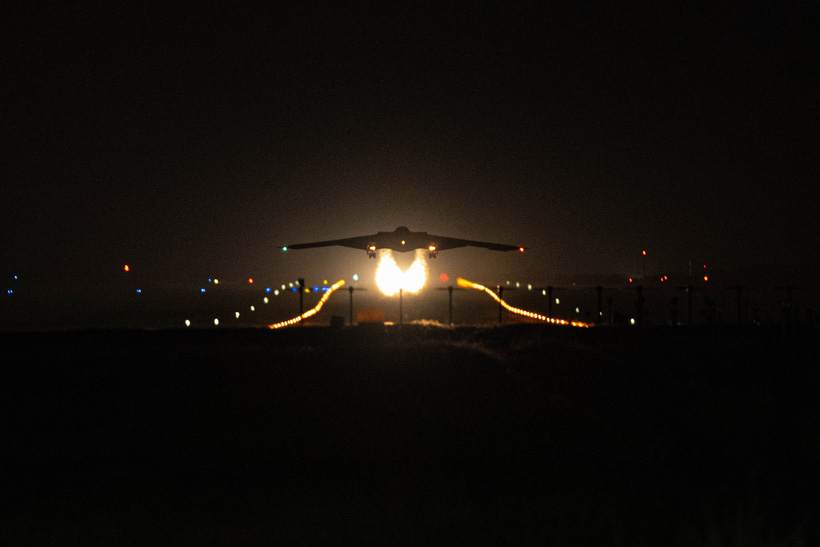
This operation involved B-2 Spirit bombers dropping 14 of these 30,000-pound bunker-busters on the Fordow and Natanz sites, with additional Tomahawk missiles targeting Isfahan and air defense positions.
Battle damage assessments indicated severe destruction, setting back Iran’s nuclear program significantly. The procurement addresses the depletion of approximately 70 percent of the existing inventory, ensuring sustained capability for similar missions.
The strikes marked the first operational employment of the GBU-57, designed specifically for hardened underground targets like Iran’s nuclear infrastructure.
U.S. Central Command coordinated over 125 aircraft, including stealth bombers from Whiteman Air Force Base, Missouri, which flew nonstop for 37 hours. The mission neutralized key enrichment facilities without pursuing regime change, leading to a ceasefire after the 12-day conflict.
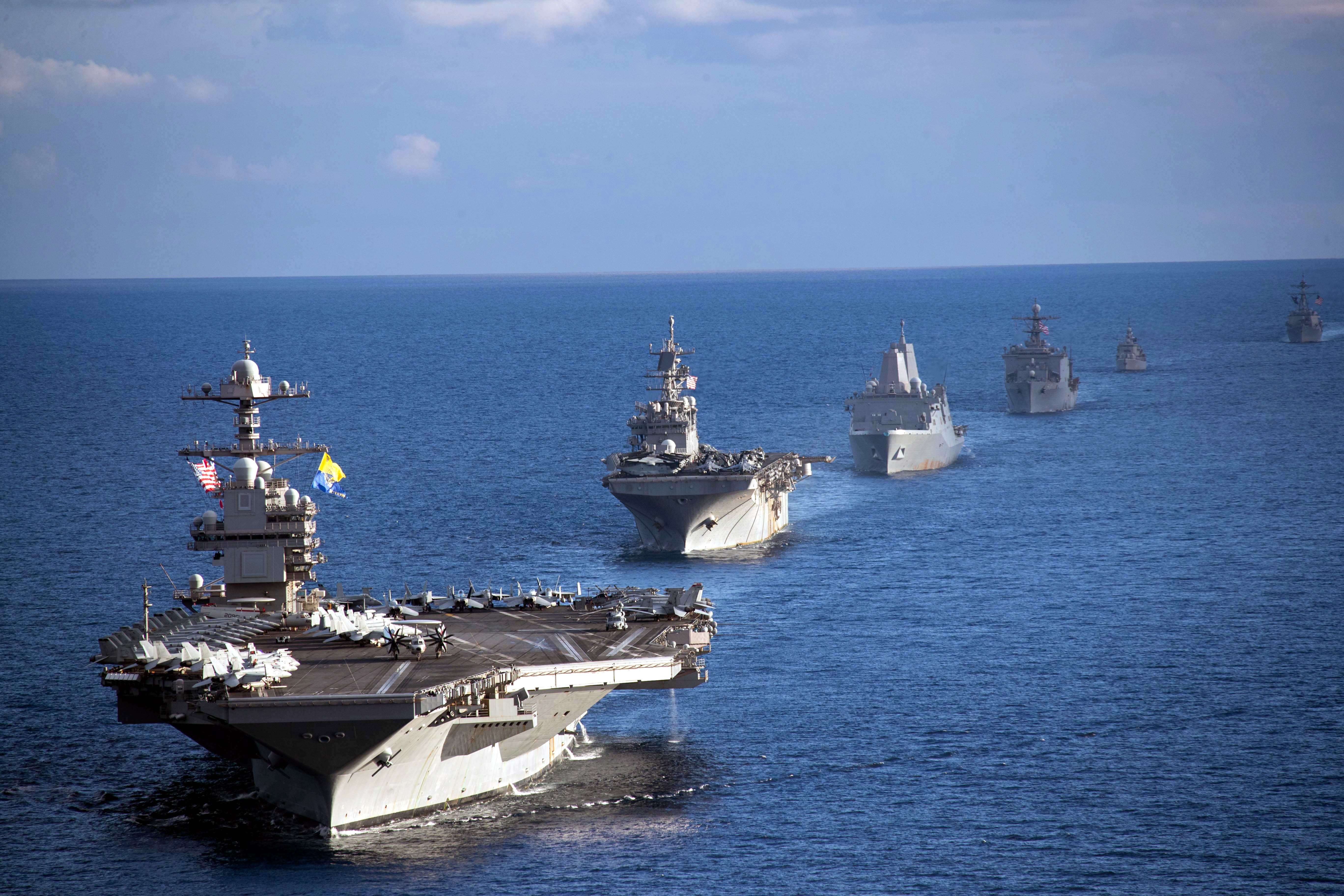
In parallel developments, the USS Gerald R. Ford carrier strike group has been ordered to deploy immediately to the Middle East, joining the USS Abraham Lincoln amid heightened regional tensions.
The Ford, arriving from the Caribbean, extends its operational presence, with no return to home ports anticipated until late April or early May. This move bolsters U.S. naval posture in the Arabian Sea and Mediterranean, supporting maritime security operations.
Operation Midnight Hammer Details
Operation Midnight Hammer commenced on June 21, targeting three primary Iranian nuclear sites: Fordow, Natanz, and Isfahan. Seven B-2 bombers delivered 12 GBU-57 bombs to Fordow and two to Natanz, penetrating depths of up to 80 meters.
A U.S. submarine fired over two dozen Tomahawk missiles at Isfahan and supporting defenses. Initial assessments confirmed extensive damage, collapsing uranium enrichment halls and destroying core infrastructure.
The operation demonstrated integrated airpower, with Missouri National Guard personnel contributing to the mission’s success.
The U.S. military digitally disrupted Iranian air missile defense systems during the strikes, preventing launches against American aircraft. This cyber element supported the aerial package, ensuring no enemy shots were fired.
GBU-57 Procurement and Readiness Restoration
The order for additional GBU-57 bombs aims to replenish stocks expended during the strikes. With 14 bombs used out of an estimated 20 in inventory, the procurement is critical for maintaining capabilities against deeply buried targets.
Development of the GBU-57, initiated over 15 years prior, focused on threats like Iran’s facilities. The munitions’ effectiveness in the operation validated their design for such scenarios.
A new “smart fuze” for the GBU-57 has been tested, addressing integration issues with the B-2 bomber. This enhancement improves effectiveness against uncertain target depths.
The Air Force has awarded contracts for prototyping the Next Generation Penetrator, succeeding the GBU-57.
Assessment: This replenishment ensures sustained operational flexibility, addressing potential future requirements in contested environments. The smart fuze upgrade enhances precision against variable targets.
