

LEBANON — On February 23 the Department of State ordered the departure of non-emergency U.S. government personnel and eligible family members from Lebanon due to the security situation in Beirut.



Trump Opposes UK-Mauritius Diego Garcia Lease, Cites Potential Need for Iran Contingency Operations
The U.S. Embassy Beirut continues operations with core staff while imposing new restrictions on personal travel without advance permission. Additional restrictions may be imposed with little or no notice.
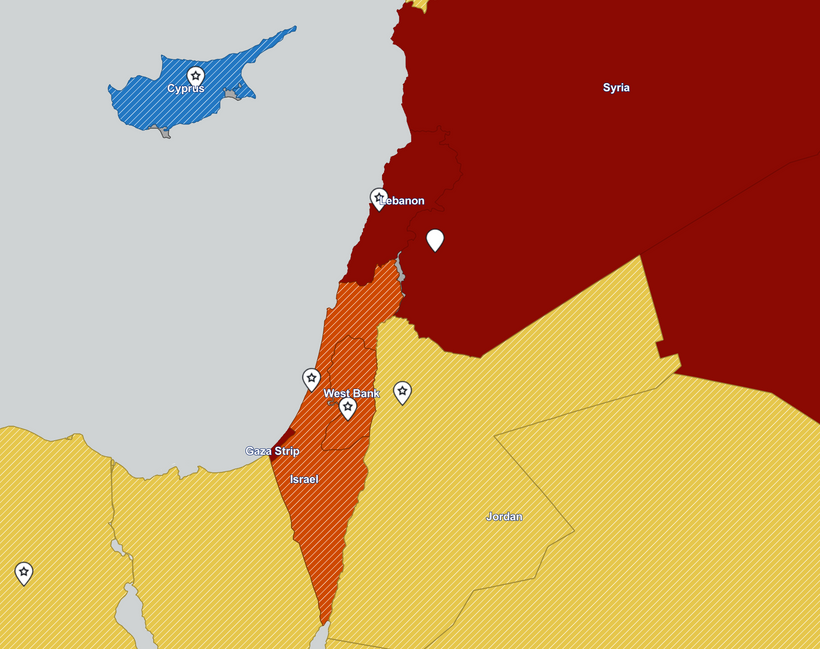
The travel advisory for Lebanon remains at Level 4: Do Not Travel, advising against all travel due to risks including terrorism, civil unrest, armed conflict, kidnapping, and unexploded landmines. Areas near borders carry increased risk.
Carrier Deployment and Regional Posture
The USS Gerald R. Ford aircraft carrier arrived at Souda Bay on the Greek island of Crete, a NATO naval base used for resupply. The carrier, the U.S. Navy’s largest, forms part of force positioning in the eastern Mediterranean.

Assessment: The transit provides logistical support in the region but aligns with routine carrier movements and does not signal immediate operations specific to Lebanon. It occurs amid reported U.S. military adjustments in the Middle East.
Ordered Departure Details
U.S. Embassy Beirut personnel face restrictions on personal travel without advance permission. The ordered departure applies only to non-emergency government personnel and eligible family members. The embassy maintains essential operations.
Assessment: The reduction to essential personnel follows standard risk-management procedures in high-threat environments, balancing diplomatic continuity with personnel safety. Airport and embassy reporting indicate partial movement of approximately 30-50 individuals on February 23, consistent with a measured drawdown rather than full evacuation.
Travel Advisory Risks
The Level 4 advisory highlights crime, terrorism, civil unrest, kidnapping, unexploded landmines, and the potential for armed conflict. Some border areas carry elevated risk.
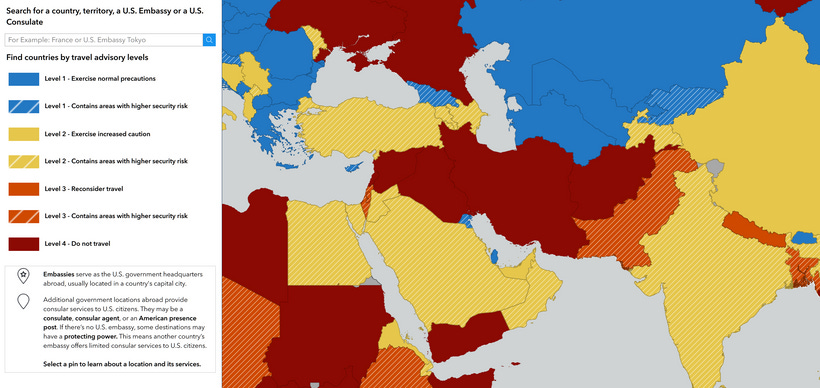
Assessment: These risks stem from longstanding conditions in Lebanon, including Hezbollah activities and periodic border incidents. The advisory language centers on established threats rather than newly identified immediate dangers tied to external actors.
