

STRAIT OF HORMUZ — Iranian military officials claimed on June 12 that forces fired warning shots at vessels attempting to transit the strait without prior coordination.
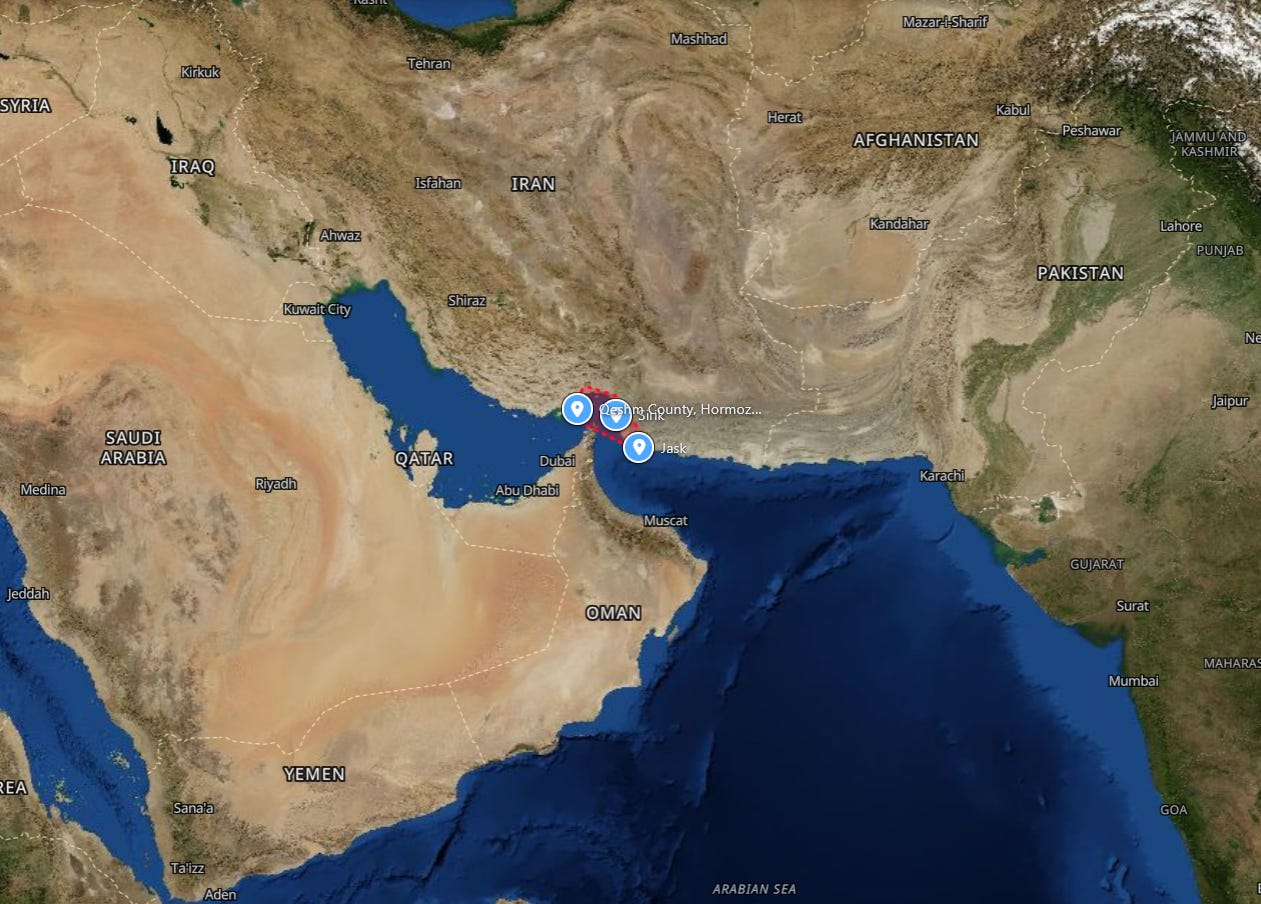


U.S. Central Command has denied any Iranian firing on American warships and stated that no U.S. vessels were struck.
Local residents reported hearing explosions, which Iranian sources attributed to the reported activity. No independent confirmation exists of specific targets hit, damage to named vessels, or successful engagement of U.S. forces.
Iranian Military Claims on Warning Shots and Related Actions
The Islamic Revolutionary Guard Corps (IRGC) Navy stated that it had targeted two vessels for illegal attempts to cross the strategic Strait of Hormuz.
The command announced it fired warning shots at non-compliant or trespassing vessels. Provincial officials in Hormozgan reported explosions near Qeshm, Sirik, and Jask and attributed the sounds to warning fire at ships that did not coordinate passage. They denied any land impacts or casualties in those locations.
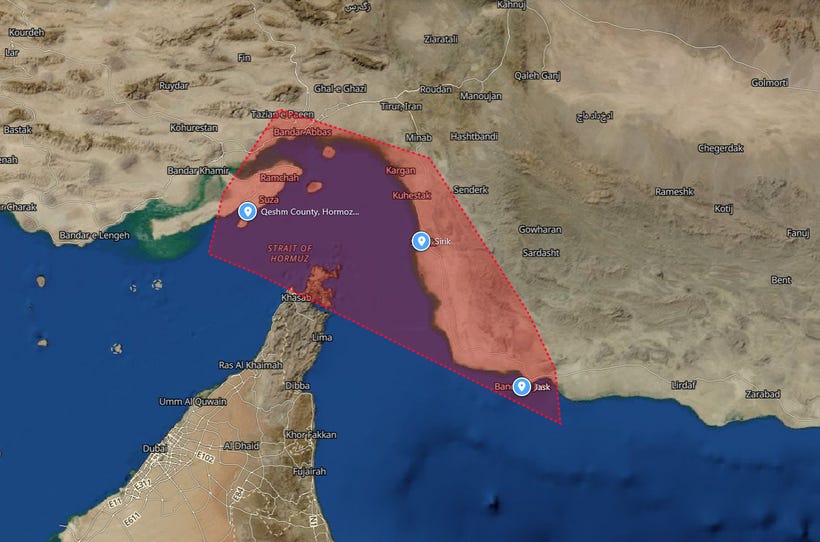
The IRGC Navy issued a warning that any vessel approaching the strategic waterway would face decisive action. Khatam al-Anbiya Central Headquarters announced full closure of the strait after a new round of attacks against the country by the U.S. military.
The headquarters stated: “From this moment, due to insecurity in the region, the Strait of Hormuz is declared closed to the passage of all vessels, including oil tankers and commercial ships, and any traffic will be targeted.”
It added that any vessel traffic in the Strait will be dealt with decisively. Major General Abdolrahim Abdollahi, commander of Iran’s Khatam al-Anbiya Central Headquarters, warned that continued threats against Iran’s energy infrastructure could jeopardize oil and gas exports, saying such trade would either remain available to all or to no one.
