

MIDDLE EAST — The Pentagon is assembling plans for weeks of ground operations in Iran, including raids on Kharg Island and coastal sites near the Strait of Hormuz. White House Press Secretary Karoline Leavitt confirmed the Pentagon was providing the president “maximum optionality.”



Major General Brandon Tegtmeier and the 82nd Airborne Division’s full headquarters staff have been ordered to the region to establish forward command and control for potential joint forcible-entry missions.
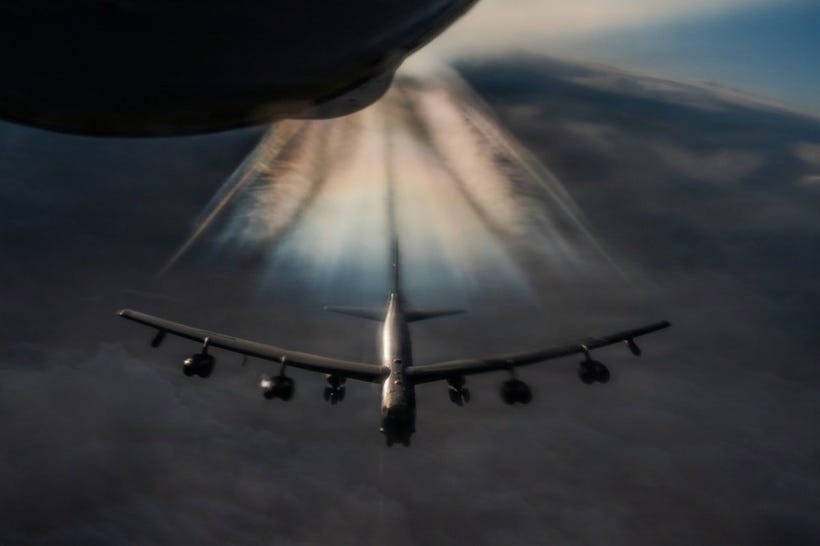
President Donald Trump declared on March 30 that the United States would “completely obliterate” Iran’s power plants, oil wells, and Kharg Island if the strait is not reopened and a deal is not reached by April 6 at 8:00 p.m. Eastern Time.
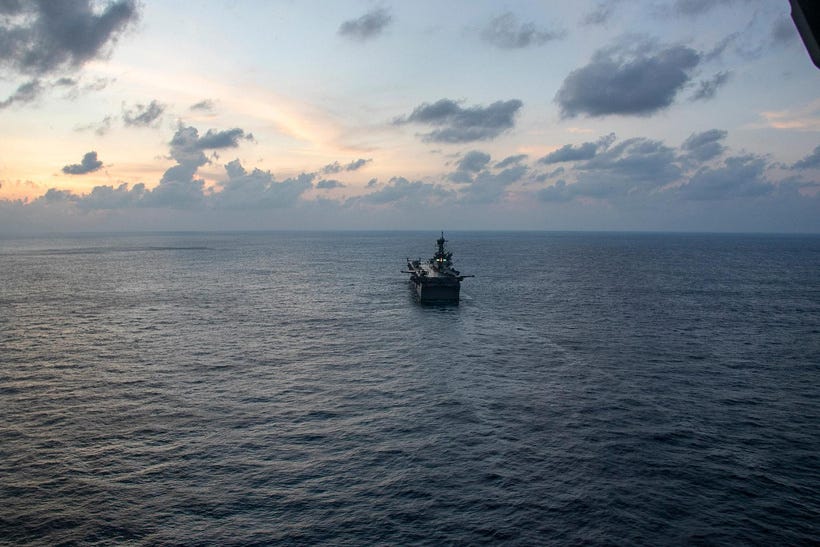
Iranian ballistic missiles entered Turkish airspace four times between March 4 and March 30, with NATO air and missile defense assets intercepting each.
Turkey’s Ministry of Defense confirmed the fourth intercept on March 30 and protested each incident through diplomatic channels. Iran denied authorizing the launches and requested joint investigations with Ankara after each incident.
NATO deployed an additional Patriot air defense battery in southern Turkey on March 18. No casualties or damage resulted from any of the four intercepts.
Yemen’s Houthi forces fired ballistic and cruise missiles at Israel on March 28 in the group’s first attacks since the war began on February 28, opening a third active front alongside direct Iranian strikes and Hezbollah operations in Lebanon.
The Israeli Defense Forces (IDF) stated it intercepted all incoming projectiles. Houthi attacks continued through March 30, with drones intercepted over Israeli airspace on the third consecutive day.
The International Atomic Energy Agency (IAEA) confirmed on March 30 that Iran’s heavy water production plant at Khondab, near Arak, has sustained severe damage from strikes on March 27 and is no longer operational.
The IAEA based its assessment on independent satellite imagery analysis and stated the facility contains no declared nuclear material.
Iran is operating a yuan-based toll system at the Strait of Hormuz, permitting select vessels from China, India, Russia, Iraq, and Pakistan to transit in exchange for fees paid through Kunlun Bank.
Total strait transits between March 1 and 25 numbered 142, compared to 2,652 during the same period in 2025, a 94 percent collapse, according to S&P Global Market Intelligence.
The International Energy Agency (IEA) described the Hormuz closure as the largest oil supply disruption in history and authorized a record release of 400 million barrels from member state reserves.
Houthi Forces Strike Israel Three Days Running; Bab al-Mandeb Closure Under Consideration
Brigadier General Yahya Saree, the Houthi military spokesperson, announced on Al Masirah television on March 28 that Houthi forces had fired a barrage of ballistic missiles at what he described as “sensitive Israeli military sites” in southern Israel.
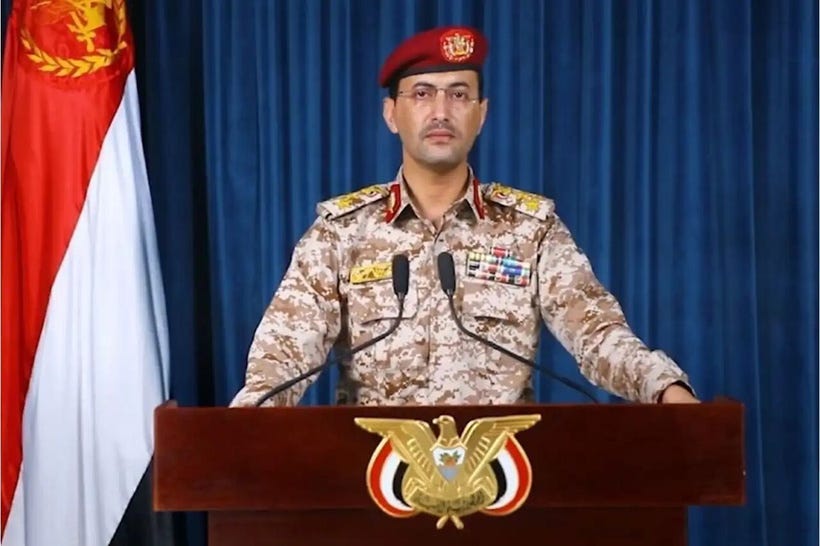
Saree called the launch the group’s “first military operation” in support of Iran since the conflict began.
The IDF stated it identified “the launch of a missile from Yemen towards Israel” and that aerial defenses intercepted the threat. The IDF reported intercepting one ballistic missile and one cruise missile on March 28, and shooting down a drone over the southern city of Eilat the same evening.
A second Houthi attack followed within 24 hours, involving cruise missiles and drones, according to Saree. On March 30, Israel intercepted additional Houthi drones, extending the attacks to three consecutive days.
Saree stated that strikes “will continue until the declared objectives are achieved, as stated in the previous statement by the armed forces, and until the aggression against all fronts of the resistance ceases.”
Mohammed Mansour, the Houthis’ deputy information minister, told local media on March 29 that “closing the Bab al-Mandeb strait is among our options.”
The Bab al-Mandeb is an 18-mile-wide (29-kilometer) chokepoint at the southern entrance to the Red Sea. Approximately 12 percent of global trade by value transits the strait annually, including an estimated 4.8 million barrels of oil per day, according to maritime industry data.
Maersk, Mediterranean Shipping Company (MSC), and CMA CGM Group are maintaining Cape of Good Hope diversions, which add 10 to 14 days and approximately $1 million per round-trip Asia-Europe voyage, according to shipping industry reporting.
Assessment: The Houthi entry creates a second maritime threat axis. If Houthi forces close Bab al-Mandeb while Iran controls Hormuz transit, two of the five global oil chokepoints would be restricted simultaneously.
The specific indicator to monitor is whether Houthi forces resume attacks on commercial shipping, which they suspended after the February 2026 Yemen ceasefire. Mansour’s public statement that closure “is among our options” places the decision within stated intent rather than speculation.
