

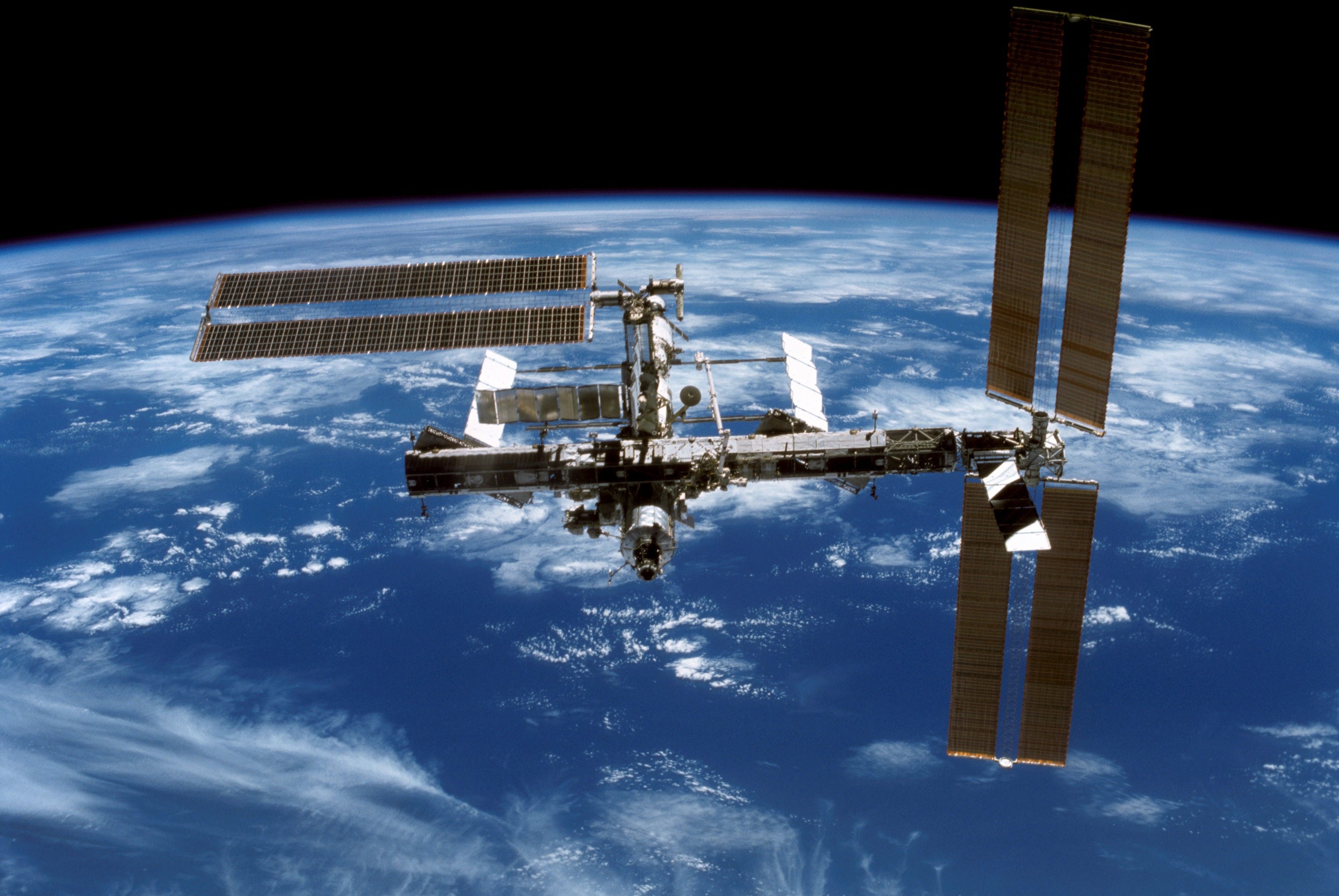
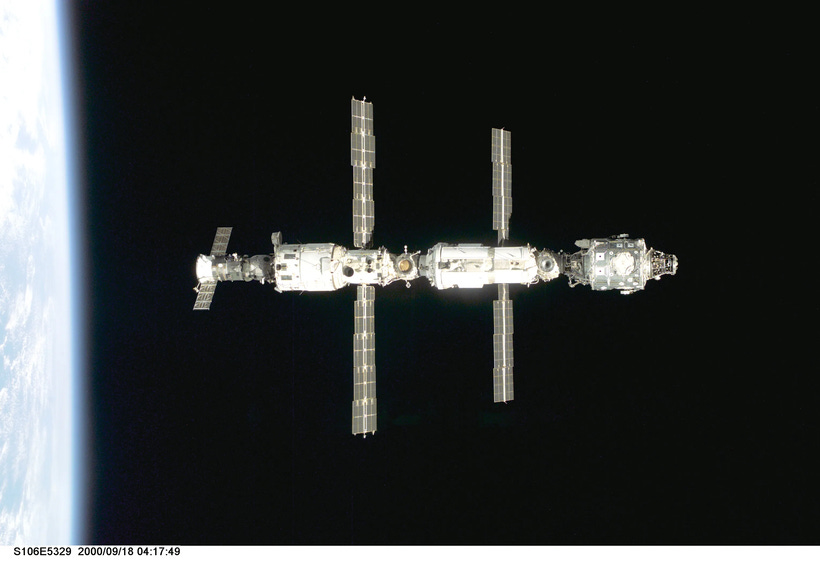
INTERNATIONAL SPACE STATION — NASA mission control ordered five astronauts to enter their docked SpaceX Crew Dragon spacecraft and assume an elevated safety posture on June 5 after an air leak in the Russian-operated Zvezda service module’s PrK transfer tunnel worsened.


The directive at 9:04 a.m. ET followed confirmation that the leak rate had doubled to roughly two pounds of air per day. The five crew members donned spacesuits inside the spacecraft as a precaution while Russian cosmonauts worked on the Russian segment.
Approximately two hours later, after Roscosmos paused structural repairs for additional measurements, NASA lifted the safe-haven order and directed the crew to resume normal station operations.
The leaks originate from microscopic cracks in the PrK transfer tunnel, a component of the Zvezda service module that has experienced air leaks since 2019.
Roscosmos detected two leaks during the June 5 inspection of the transfer chamber while pressurizing the Zvezda module’s transfer chamber to the International Space Station’s pressure. The first was sealed quickly, and preparations began for the second while station pressure stayed stable.
Crew Dragon Spacecraft
Crew Dragon is SpaceX’s reusable crewed spacecraft developed under NASA’s Commercial Crew Program to restore independent U.S. human spaceflight capability to the International Space Station.
The capsule launches atop a Falcon 9 rocket from Kennedy Space Center and can autonomously rendezvous and dock with the ISS using its own propulsion and navigation systems. It carries a crew of up to seven astronauts in a pressurized cabin equipped with advanced life-support, displays, and seating. For NASA missions it typically flies with four crew members.
The spacecraft includes eight SuperDraco engines that provide launch-abort capability, a PICA-X heat shield for re-entry, and parachutes for a soft ocean landing.
A separate unpressurized “trunk” section carries additional cargo and is jettisoned before re-entry. Once docked to the ISS, a Crew Dragon remains attached as a lifeboat, providing the crew with an immediate evacuation option in the event of an emergency on the station.
In the June 5 incident, the Crew Dragon named “Freedom” (assigned to NASA’s Crew-12 mission) served exactly in this safe-haven role. Five astronauts entered the spacecraft, donned spacesuits, and waited inside while Roscosmos performed repairs on the Russian segment.
The vehicle’s independent systems, communications, and propulsion give the crew a self-contained refuge without relying on the station’s Russian segment for life support during the precautionary period.
Crew Dragon has completed multiple crewed flights to the ISS since 2020 and remains the primary U.S. crew transportation vehicle to the station.
