

MIDDLE EAST — U.S. Central Command initiated Operation Epic Fury on February 28 to target Iranian ballistic missile capabilities, according to U.S. Central Command.
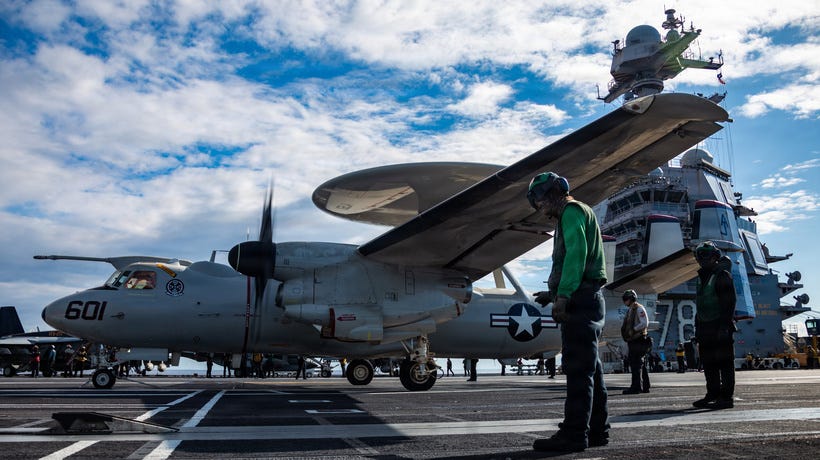


The efforts included strikes on missile facilities, naval assets, and proxy networks, with over 1,000 targets engaged in the initial 24 hours. Three U.S. service members were killed and five seriously wounded as of March 1, with minor injuries among others.
US Central Command Strikes
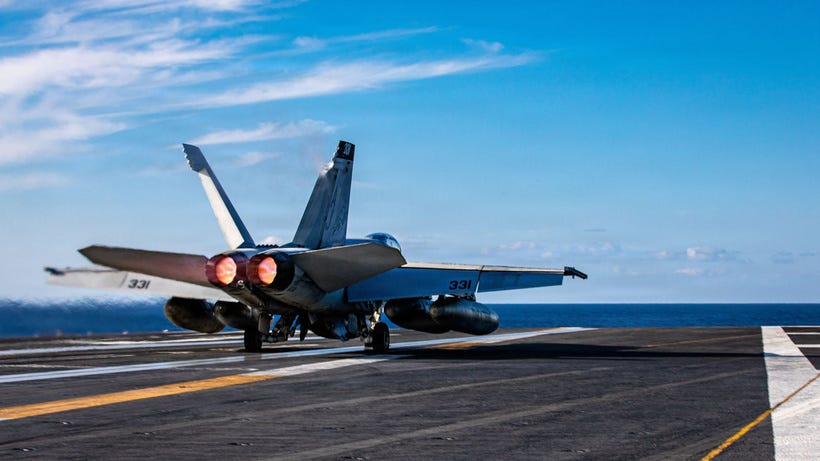
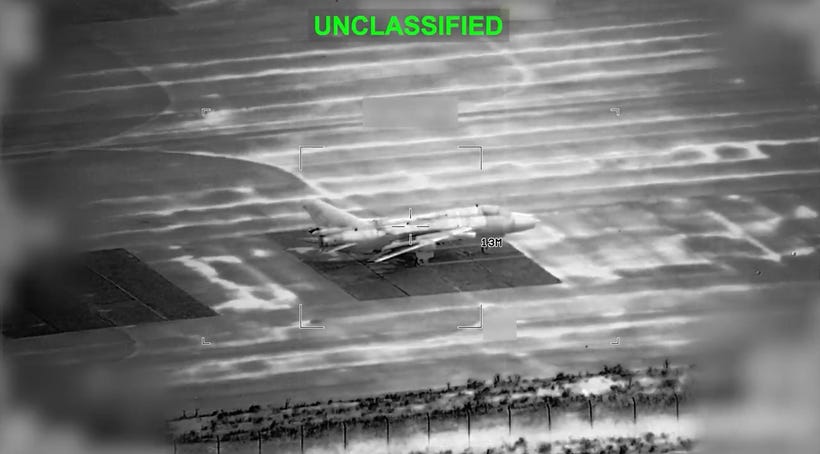
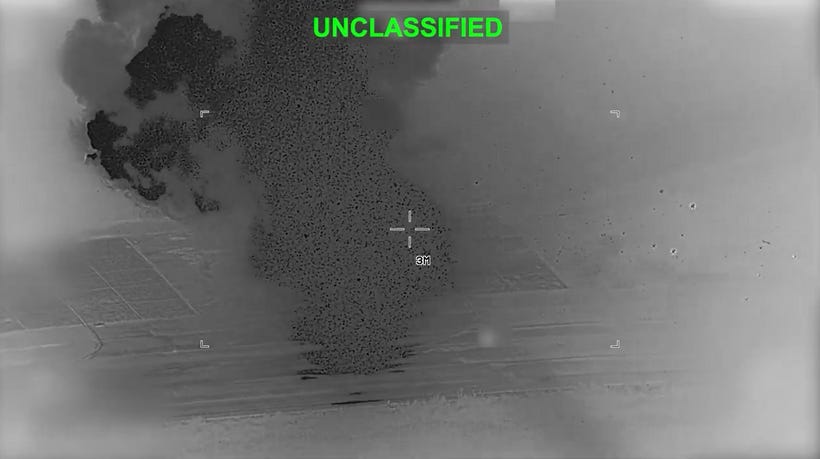
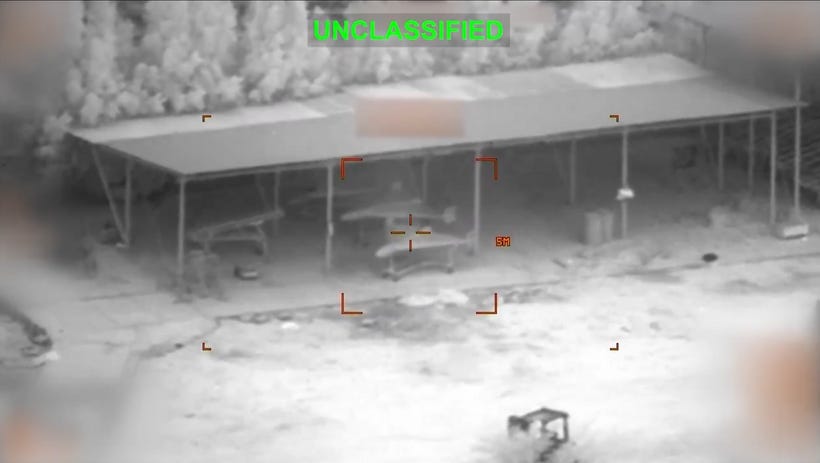
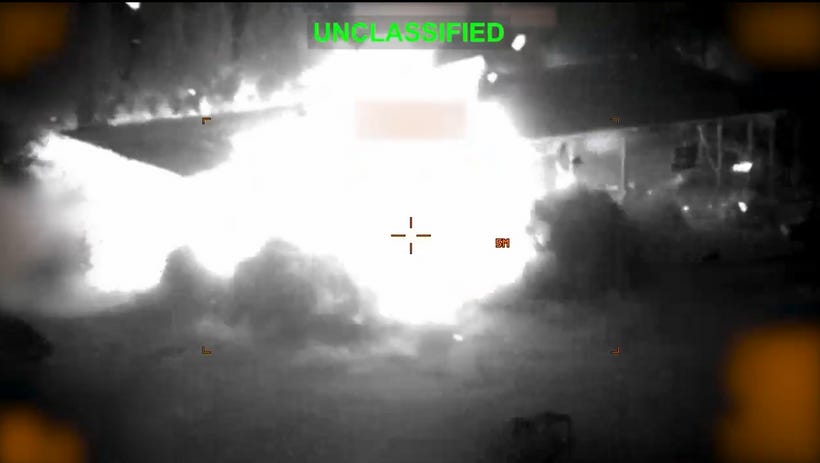
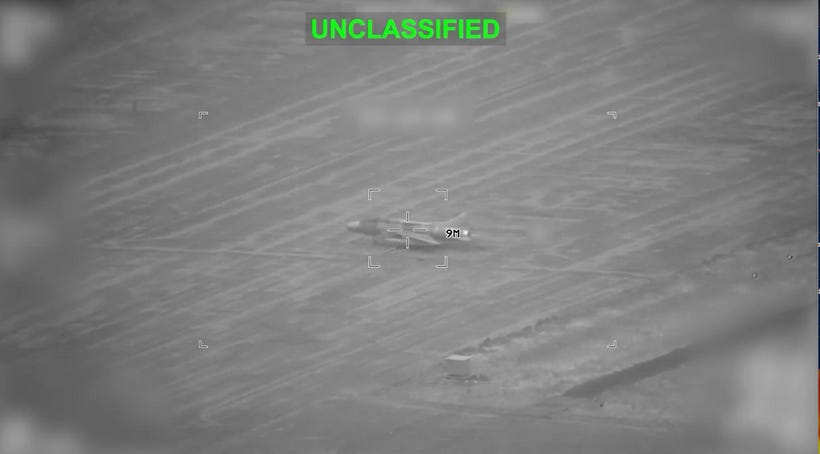
Claims By Iranian State-run Media Regarding Strikes, Damage To Gandhi Hospital and Girl’s School
Iranian state media and officials stated hundreds of missiles and over 800 drones were launched in response, directed at U.S. bases in the Gulf and sites in Israel and Syria. Interceptions addressed most, though debris caused effects.
Iran’s state-run media also reported damage to Tehran’s Gandhi Hospital and a girls’ school in Minab, with casualty claims ranging from 57 to 180 across different Iranian officials.
International outlets relayed these claims and verified video of the destroyed school through remote geolocation, but no foreign journalists had ground access as Iran restricts foreign media outside Tehran, and no outlet independently confirmed casualty figures.
Operation Actions and Initial Engagements
U.S. forces struck missile sites, naval assets, and a Jamaran-class corvette that sank at Chah Bahar. B-2 bombers and destroyers participated, according to releases.
Central Command stated, “The Iranian regime’s reckless use and proliferation of ballistic missiles have been a dangerous threat for decades.”
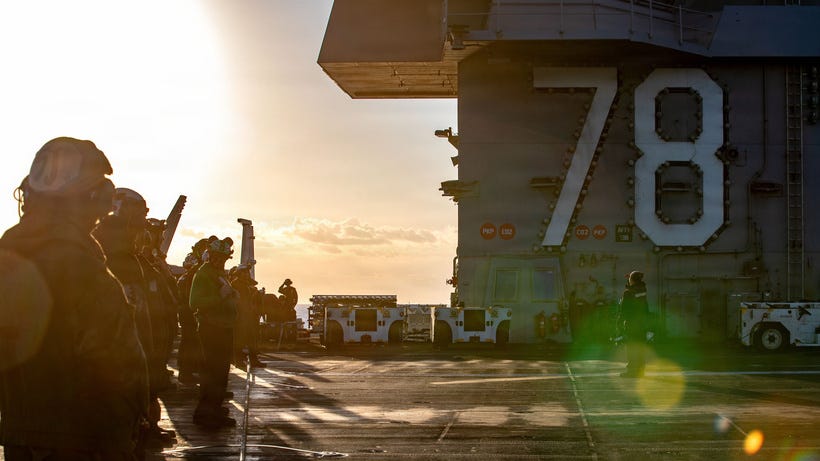
Task Force Scorpion Strike employed one-way attack drones for the first time in combat, adapted from Iranian designs. Nine Iranian naval ships were destroyed and sunk, according to White House statements.
Iran targeted locations in Bahrain, Qatar, Kuwait, the UAE, Israel, and Syria. Most projectiles were intercepted.
Assessment: Strikes on naval assets show an extension to maritime elements beyond the initial missile emphasis. The adaptation of drone tactics reflects responses to Iranian technology. Defenses addressed threats according to reports, with interception information from regional partners offering early measures of performance.
U.S. Service Member Casualties
Three members were killed in action and five sustained serious wounds. Others had minor injuries and returned to duties.
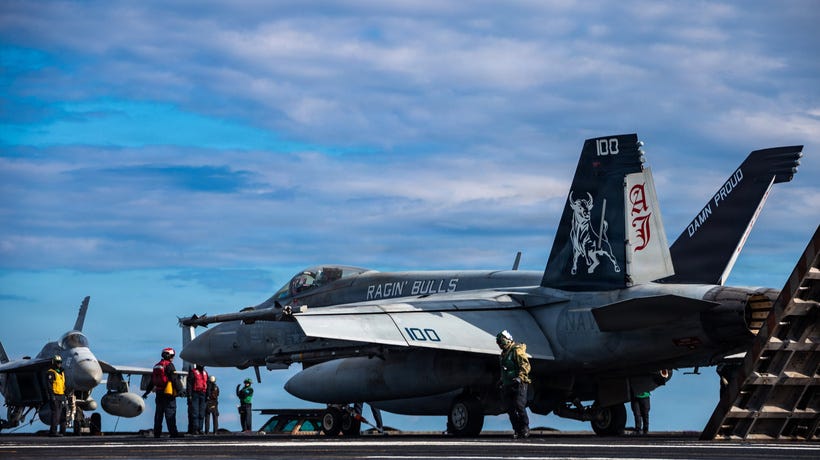
Assessment: These losses indicate hazards in operations across multiple domains against protected targets. Figures correspond to risks in early stages seen in comparable past activities. Tracking casualty patterns could signal changes in protection approaches.
